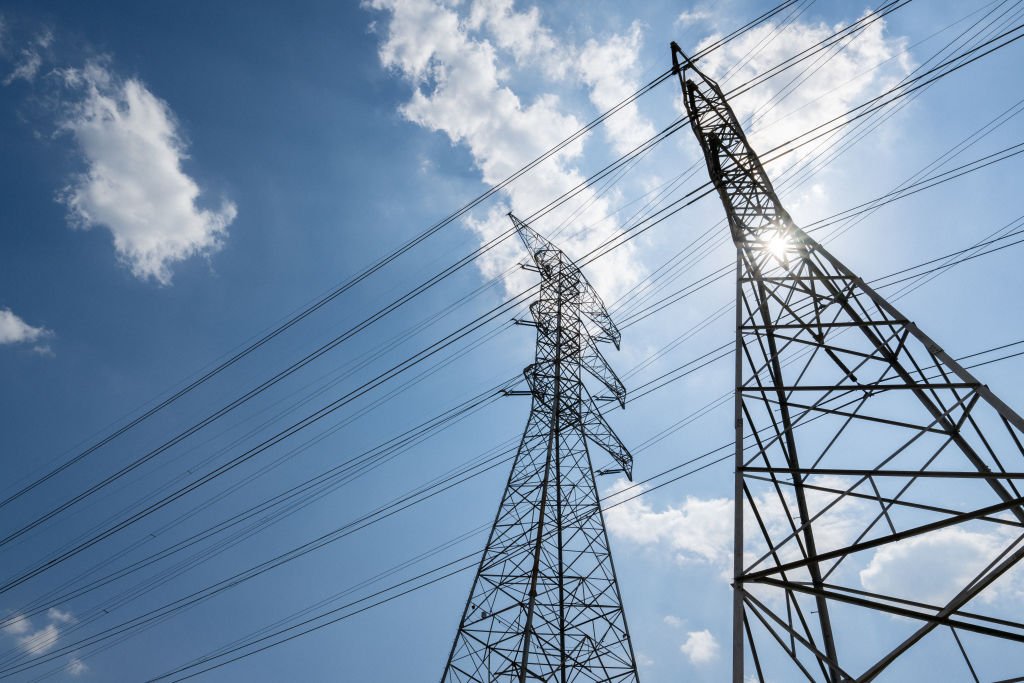
Texas residents are facing increasing pressure from rising electricity costs at a time when extreme summer temperatures are making reliable air conditioning an essential part of staying safe.
Higher utility bills can create difficult choices for households, particularly for people with limited incomes, older adults, young children and individuals with medical conditions that make them more vulnerable to extreme heat. When families cannot afford adequate cooling, the consequences can extend beyond financial stress and affect their health and well-being.
The situation has also raised broader questions about electricity demand, grid infrastructure, energy affordability and the growing power requirements of data centers and other energy-intensive industries.
Rising Electricity Bills Create Household Challenges
Electricity costs in Texas have increased significantly in recent years. For households already managing mortgages, food, transportation, insurance and healthcare expenses, a sharp increase in utility bills can make it difficult to cover other necessities.
The problem can become especially serious during periods of extreme heat. Air conditioning is not simply a comfort for many households; maintaining a safe indoor temperature can be an important health measure.
Families dealing with chronic health conditions may face an even greater challenge because reducing air conditioning use may worsen symptoms or increase their vulnerability to heat.
Extreme Heat Can Increase Health Risks
High indoor temperatures can be particularly dangerous for older adults, young children, pregnant people and individuals with chronic medical conditions.
When electricity is disconnected or households reduce cooling because of unaffordable bills, people may be exposed to excessive heat for extended periods. Heat can contribute to dehydration, heat exhaustion and more serious medical complications.
Extended exposure can also put additional pressure on the healthcare system. Severe heat-related illness may lead to emergency room visits, ambulance calls and hospitalizations.
For households already struggling financially, these health consequences can create another layer of economic stress.
Why Are Electricity Costs Increasing?
Several factors can contribute to higher electricity costs in Texas. Extreme weather can increase demand for power, particularly during periods when air conditioning systems operate for long hours.
At the same time, electricity demand is growing as Texas experiences population growth and increased development of energy-intensive industries.
Data centers have received particular attention because their servers, cooling equipment and other infrastructure require substantial amounts of electricity. North Texas, in particular, is facing infrastructure challenges as data center growth increases demand on local power systems. The continued growth of artificial intelligence and cloud computing could further increase demand for computing infrastructure.
The state’s electricity grid is therefore facing the challenge of accommodating growing demand while maintaining reliability and keeping energy affordable for residential customers.
Grid Investment Can Affect Consumer Bills
Texas utilities and grid operators are investing heavily in generation, transmission and distribution infrastructure to improve capacity and reliability.
While these investments can help strengthen the grid, infrastructure improvements can also affect customer bills through additional fees and charges.
This creates a difficult balancing act. The state needs sufficient investment to maintain a reliable electricity system, but households also need electricity to remain affordable, particularly during extreme weather.
Energy Assistance Programs Can Help
Financial assistance programs can provide an important safety net for households struggling with energy costs.
The federal Low Income Home Energy Assistance Program, commonly known as LIHEAP, helps eligible households with expenses related to heating, cooling and energy efficiency. However, available funding does not always reach every household that qualifies for assistance.
Local organizations, community groups and utility-sponsored programs can also provide support through emergency assistance, bill discounts, weatherization programs and other resources.
Increasing awareness of these programs can help vulnerable households find assistance before an unpaid balance leads to a service interruption.
Improving Home Energy Efficiency
Reducing energy consumption can be another way to lower electricity costs without sacrificing indoor comfort.
Weatherization measures such as improving insulation, sealing air leaks, installing energy-efficient lighting and upgrading inefficient appliances can reduce the amount of electricity required to cool a home.
Energy-efficient air conditioning systems and heat pumps may also reduce long-term operating costs, although the upfront expense can be a barrier for some households.
Other measures, including planting trees and increasing shade around homes, may help reduce heat entering buildings and lower cooling requirements.
Targeted Financial Support Could Reduce Energy Burden
Some energy experts and advocates support programs that limit electricity costs based on household income. These approaches are designed to prevent energy bills from consuming an excessive share of a household’s monthly income.
Such programs can be particularly useful for households with disabilities, retirees, families with young children and people experiencing temporary financial hardship.
Direct assistance can also help households avoid difficult choices between paying an electricity bill and purchasing food, medication or other necessities.
Consumer Protections Remain Important
Utility consumer protections can become especially important during periods of extreme heat.
Rules governing disconnections, payment arrangements and assistance for medically vulnerable customers can help protect households from losing access to electricity when temperatures become dangerous.
However, protections vary, and households may still need to contact their utility provider or local assistance organizations to determine which options are available.
Understanding payment plans, assistance programs and eligibility requirements before a bill becomes unmanageable can make it easier to address energy affordability problems.
The Role of Data Centers in Future Electricity Demand
Texas has attracted significant data center investment because of its available land, energy resources and growing technology sector. However, large-scale facilities can require substantial electricity and infrastructure.
As demand from data centers increases, policymakers and regulators are examining how new projects should connect to the grid and how their infrastructure costs should be distributed.
A key consideration is ensuring that increased demand from large commercial users does not create disproportionate financial pressure on residential customers.
Long-term planning will likely need to address both economic development and the affordability and reliability of electricity for households.
Building a More Resilient Energy System
Addressing Texas’ energy challenges will likely require multiple strategies rather than a single solution.
Grid modernization can improve reliability, while energy efficiency can reduce household demand. Financial assistance can help vulnerable customers manage high bills, and stronger planning can help ensure that large new electricity users contribute appropriately to infrastructure costs.
Weatherization and energy-efficient housing can also reduce energy consumption over time, potentially benefiting both individual households and the wider electricity system.
Conclusion
Rising electricity costs combined with increasingly intense heat can create serious challenges for Texas households. For vulnerable residents, reliable air conditioning can be closely connected to health and safety, making energy affordability more than a financial issue.
As electricity demand continues to grow, Texas faces the challenge of expanding and strengthening its power infrastructure without placing an excessive burden on residential customers.
Improved energy efficiency, expanded financial assistance, stronger consumer protections and careful planning for major energy users can all contribute to a more affordable and resilient electricity system. For individual households, learning about available assistance programs and taking practical steps to improve energy efficiency can also help reduce the impact of high utility costs.
Frequently Asked Questions
Higher electricity costs can be influenced by factors including extreme weather, growing electricity demand, infrastructure investments and increased consumption from energy-intensive industries such as data centers.
Air conditioning can help protect people from dangerous indoor temperatures. Older adults, young children and people with certain medical conditions may be particularly vulnerable to heat-related illness, making reliable cooling especially important.
Households can explore utility assistance programs, improve home insulation and weatherization, seal air leaks, use energy-efficient appliances and cooling systems, and review available utility payment or assistance options.