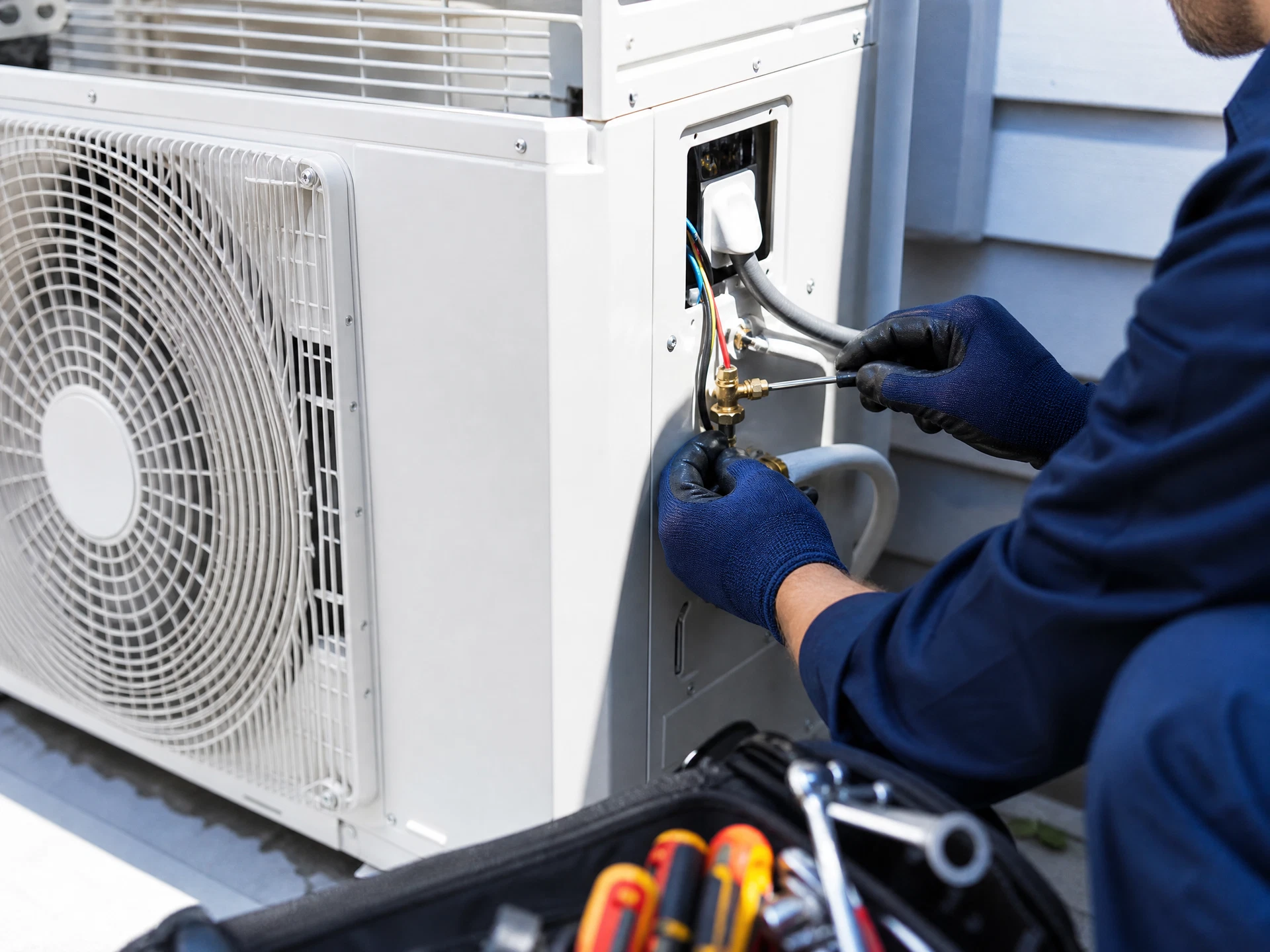
Air conditioning is essential for comfortable homes and businesses across Texas, particularly during long periods of intense summer heat. With an AC system often operating for extended hours, normal wear and tear can eventually lead to performance problems, costly repairs, or complete system failure.
When an air conditioner stops working properly, the immediate question is whether it makes more financial sense to repair the existing unit or replace it with a new system. The answer depends on several factors, including the system’s age, repair costs, energy efficiency, frequency of breakdowns, and overall performance.
Understanding these factors can help Texas property owners make a more informed decision rather than replacing an otherwise reliable system or repeatedly spending money on an aging unit.
When Repairing an AC System Makes Sense
Repairing an air conditioner can be a practical option when the system is relatively young, the problem is isolated, and the estimated repair cost is reasonable compared with the price of replacement.
A system with a minor component failure may not need to be replaced entirely. Problems involving certain electrical components, thermostats, capacitors, contactors, or other serviceable parts can sometimes be addressed without replacing the complete system.
Repairing the unit may also make sense when it continues to cool the property effectively, operates efficiently, and has not experienced frequent breakdowns.
Consider the Age of the AC System
Age is one of the most important factors when deciding between repair and replacement.
Older air conditioning systems are more likely to experience component failures and declining efficiency. Even when an individual repair is affordable, repeated repairs can become expensive over time.
For an aging system, property owners should consider the remaining useful life of the equipment alongside the cost of the current repair. If several major components are approaching the end of their service life, replacement may provide better long-term value.
The Texas climate can make this consideration especially important because AC systems may experience significant operating demand during extended hot-weather periods.
When Replacement May Be the Better Option
Replacement may be worth considering when an AC system has become unreliable, inefficient, or expensive to maintain.
A new system can offer improved efficiency, modern controls, and more predictable performance. While the initial investment is higher than a single repair, replacement can make sense when the existing system is repeatedly failing or requires a major component replacement.
Property owners should evaluate the total cost of continuing to operate an aging system rather than looking only at the immediate repair bill.
Frequent Breakdowns Are a Warning Sign
An occasional repair does not necessarily mean an AC system needs to be replaced. However, repeated service calls can indicate that the system is reaching the end of its practical service life.
Frequent breakdowns can also create inconvenience during periods when reliable cooling is most important. For Texas property owners, an AC failure during a severe heat wave can be particularly disruptive.
If an aging system requires repairs every cooling season, it may be worth comparing the cumulative repair costs with the investment required for a replacement.
Rising Energy Bills Can Indicate Declining Efficiency
Energy costs are another factor to consider.
An older AC system may consume more electricity to provide the same level of cooling as a newer, more efficient system. However, higher electricity bills can also result from changes in weather, thermostat settings, insulation, occupancy, or utility rates.
If energy consumption has increased without an obvious explanation and the AC system is also struggling to maintain comfortable temperatures, a professional evaluation can determine whether declining equipment efficiency is contributing to the problem.
Poor or Uneven Cooling
An AC system that runs continuously but still leaves rooms warm may be experiencing a performance issue.
Uneven temperatures can result from several causes, including restricted airflow, ductwork problems, thermostat issues, refrigerant-related problems, or equipment limitations.
A repair may solve the issue if the underlying problem involves a serviceable component. However, if an older system consistently struggles to cool the property despite repeated repairs and maintenance, replacement may be a more practical long-term solution.
Refrigerant Problems Require Careful Evaluation

Refrigerant-related problems can be another factor in the repair-versus-replacement decision.
If an older AC system has a refrigerant leak, the cost and practicality of repairing the leak and restoring the system should be evaluated carefully. The type of refrigerant used by the equipment can also affect repair considerations as older refrigerants become less practical to service.
Rather than simply adding refrigerant repeatedly, the underlying cause of the problem should be identified and addressed by a qualified HVAC professional.
Compare the Repair Cost With Replacement Cost
One of the simplest ways to approach the decision is to compare the estimated repair cost with the cost of replacing the system.
A relatively inexpensive repair on a well-maintained system may be an obvious choice. A major repair on an older system requires more careful consideration.
Property owners should ask:
- How old is the AC system?
- Has it required multiple repairs recently?
- How much will the current repair cost?
- Are other major components showing signs of wear?
- Is the system providing consistent cooling?
- Have energy costs increased noticeably?
- Would a new system significantly improve efficiency?
- How long is the existing system expected to remain reliable?
The answers can help determine whether repairing or replacing the equipment makes more sense.
Texas Climate Makes Reliability Especially Important
Texas weather puts considerable demand on residential and commercial cooling systems. During periods of extreme heat, an AC system may operate for long stretches to maintain indoor temperatures.
That means reliability should be considered alongside repair costs and energy efficiency. A system that is already showing repeated failures may have a greater chance of causing an inconvenient breakdown during peak cooling demand.
Planning a replacement before an emergency occurs can also give property owners more time to compare equipment options, installation estimates, and efficiency levels.
Don’t Base the Decision on One Factor
There is no universal rule that says every old AC system should be replaced or every repair should be accepted.
A relatively old system that has been well maintained and requires an inexpensive repair may continue providing reliable service. On the other hand, a newer system with a major problem may sometimes justify replacement depending on the repair cost and expected future performance.
The best decision comes from evaluating the system as a whole rather than focusing exclusively on its age or the cost of one repair.
Professional AC Inspection Can Help
When the decision is unclear, a professional HVAC inspection can provide useful information about the condition of the equipment.
A technician can assess the system’s components, cooling performance, airflow, electrical operation, refrigerant-related issues, and other factors. This information can help property owners understand whether the current problem is isolated or part of a broader decline in system performance.
Getting a detailed repair estimate and asking about the expected remaining service life of the equipment can make the repair-versus-replacement decision easier.
Conclusion
Deciding whether to repair or replace an AC system in Texas depends on more than the immediate cost of fixing a problem. System age, repair history, energy efficiency, cooling performance, reliability, and the potential cost of future repairs all deserve consideration.
Repairing the system can make sense when the equipment is relatively reliable and the problem is minor. Replacement may be more practical when an aging system requires frequent repairs, struggles to cool the property, consumes excessive energy, or faces a major repair.
For Texas property owners, making the decision before an emergency breakdown can provide more time to evaluate the options and select a solution that supports reliable cooling through demanding summer conditions.
FAQs
Consider the system’s age, repair cost, maintenance history, efficiency, and reliability. A minor issue on a reliable system may justify repair, while repeated failures and major repairs on an aging system may make replacement more practical.
It can be, particularly when the repair is relatively inexpensive and the system continues to operate reliably. If major repairs are becoming frequent, replacement may offer better long-term value.
Not necessarily. Higher bills can have several causes. However, if rising energy consumption occurs alongside poor cooling, long operating cycles, or frequent repairs, the system’s efficiency should be evaluated by an HVAC professional.