Texas summers put air conditioning systems under significant strain. With prolonged periods of extreme heat, an AC unit may run for hours each day to maintain comfortable indoor temperatures. In 2026, parts of North Texas have already experienced numerous days at or above 100°F, highlighting the demands placed on cooling systems during the summer season.
Because of this heavy workload, minor AC problems can become more noticeable during the hottest months. Recognizing the warning signs early can help homeowners arrange professional service before a small issue develops into a major breakdown.
1. Warm Air Is Coming From the Vents
One of the clearest signs that an air conditioner needs attention is when the system is running but the vents are producing warm or lukewarm air.
Several issues can cause this problem, including restricted airflow, thermostat problems, dirty coils, refrigerant issues, or a malfunctioning compressor. If changing the thermostat settings does not resolve the problem, professional diagnosis may be necessary.
A struggling AC system can continue operating while providing inadequate cooling, which may increase energy consumption and place additional stress on components.
2. Airflow Has Become Weak
Strong and consistent airflow is important for distributing cooled air throughout a home. If certain rooms receive significantly less air than usual, or the airflow from vents feels noticeably weaker, the system may need service.
A clogged air filter is one possible cause, while blocked ductwork, dirty components, or blower problems can also restrict airflow. During periods of heavy Texas summer use, filters may require more frequent attention because restricted airflow can make an AC system work harder.
Homeowners can check whether the filter is dirty, but persistent airflow problems should be evaluated by an HVAC professional.
3. The AC Makes Unusual Noises
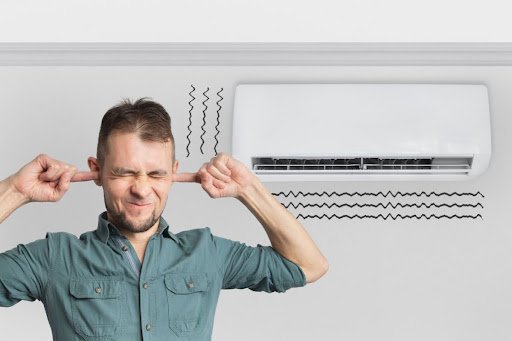
Air conditioners naturally produce some operating sounds, but new or unusually loud noises should not be ignored.
Grinding, banging, rattling, buzzing, or screeching sounds may indicate loose components, motor problems, fan issues, or other mechanical or electrical concerns. Hissing sounds can also indicate an issue involving refrigerant or air pressure.
The type and location of the noise can help a technician identify the underlying problem. Continuing to operate a system that is making severe or unfamiliar mechanical noises could allow the problem to become more serious.
4. Your Energy Bills Suddenly Increase
Higher electricity bills are not always caused by an AC problem. Texas summers naturally increase cooling demand, particularly during extended periods of extreme heat.
However, an unexplained increase in energy consumption can indicate that an air conditioner is becoming less efficient. Dirty coils, restricted airflow, refrigerant problems, or failing components can force the system to operate longer to achieve the same indoor temperature.
Comparing current usage with previous summers can help identify unusual changes. If energy consumption rises without a comparable change in weather, household size, or thermostat settings, an AC inspection may be worthwhile.
5. The System Turns On and Off Too Frequently
Frequent cycling, sometimes called short cycling, occurs when an AC system repeatedly starts and stops instead of completing normal cooling cycles.
Short cycling can result from several problems, including airflow restrictions, thermostat issues, refrigerant problems, or an improperly sized system. Repeated starts and stops can also place additional stress on system components.
If the AC repeatedly switches on and off throughout the day, homeowners should avoid assuming the behavior is normal simply because the home eventually feels cool. A professional assessment can determine why the system is cycling so frequently.
6. Water or Moisture Appears Around the AC
Water around an indoor air-conditioning unit is another warning sign that should receive attention.
Air conditioners naturally produce condensation while removing moisture from indoor air. That water is normally collected and directed away through a condensate drain. If the drain becomes blocked, water can back up and potentially leak around the air handler.
Moisture around the system should not be ignored because prolonged leaks can contribute to property damage. Condensate drainage is also an important part of seasonal HVAC maintenance.
7. The Home Feels Humid Even When the AC Is Running
An air conditioner does more than cool indoor air. It also removes moisture from the environment. If a home feels unusually sticky or humid despite the thermostat showing a comfortable temperature, the AC may not be dehumidifying effectively.
Humidity problems can be associated with short cycling, system performance issues, or an improperly sized unit. High indoor humidity can also make a room feel warmer, potentially encouraging occupants to lower the thermostat and increase cooling demand.
Persistent humidity problems are therefore worth discussing with an HVAC professional, particularly during the humid parts of a Texas summer.
Why AC Service Matters During the Texas Summer
Texas homeowners often depend heavily on air conditioning throughout the summer. Extended periods of high temperatures mean that an AC system may have little opportunity to remain idle.
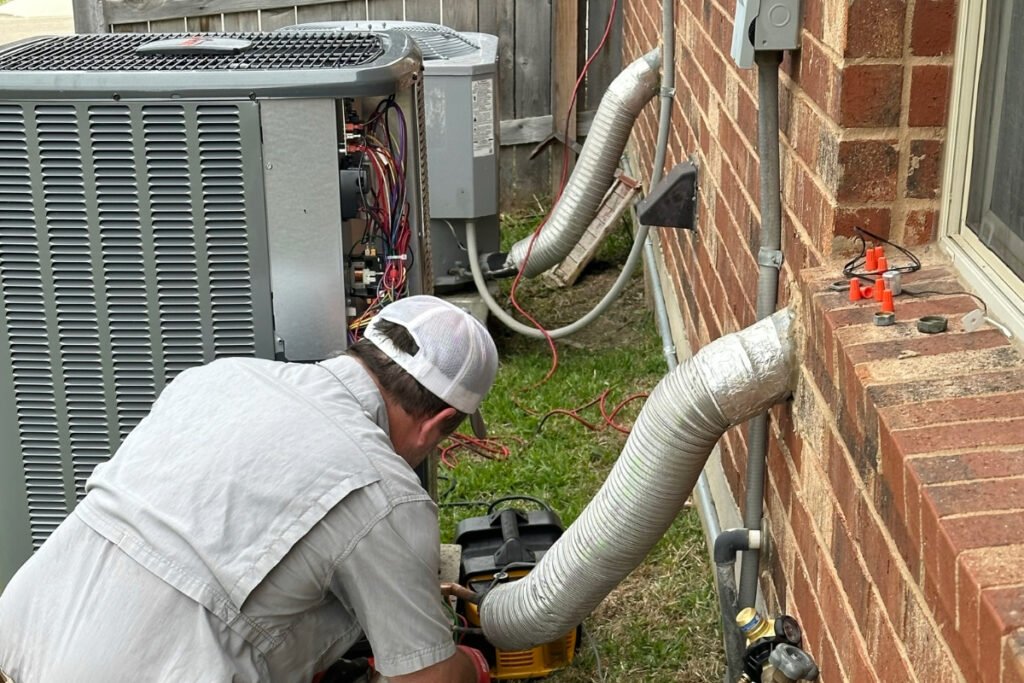
Routine maintenance and early repairs can help identify problems before the system reaches the point of complete failure. Seasonal maintenance commonly includes checking filters, inspecting the outdoor condenser, evaluating refrigerant lines, testing the thermostat, and examining other key components.
Professional service is particularly important when symptoms such as warm airflow, unusual noises, water leaks, repeated cycling, or unexplained efficiency changes appear.
How Homeowners Can Reduce AC Problems
Homeowners can take several basic steps to support AC performance during periods of heavy use:
- Check and replace dirty air filters regularly.
- Keep the outdoor condenser area clear of vegetation and debris.
- Make sure supply and return vents are not blocked.
- Monitor unusual changes in cooling performance.
- Pay attention to new noises, odors, or moisture.
- Avoid ignoring repeated short cycling.
- Schedule professional maintenance when problems persist.
These measures do not replace professional servicing, but they can help homeowners identify developing issues earlier.
Conclusion
A reliable air conditioner is particularly important during a Texas summer, when prolonged heat can place substantial demands on residential cooling systems. Warm air, weak airflow, unusual noises, rising energy costs, frequent cycling, water around the unit, and excessive indoor humidity can all indicate that an AC system needs attention.
Recognizing these warning signs early gives homeowners an opportunity to address potential problems before they result in an unexpected summer breakdown. Regular maintenance, timely inspections, and professional repairs can help Texas homes maintain dependable cooling when temperatures are at their highest.
FAQs
Many homeowners benefit from professional AC maintenance at least once a year, ideally before the peak cooling season. Systems experiencing heavy use or recurring problems may require additional attention.
Possible causes include restricted airflow, dirty coils, thermostat problems, refrigerant issues, or failing components. If basic thermostat and filter checks do not resolve the issue, professional service can identify the underlying cause.
Weak airflow can indicate something as simple as a dirty filter, but it may also result from blocked ductwork, blower problems, or other system issues. Persistent weak airflow should be professionally evaluated.