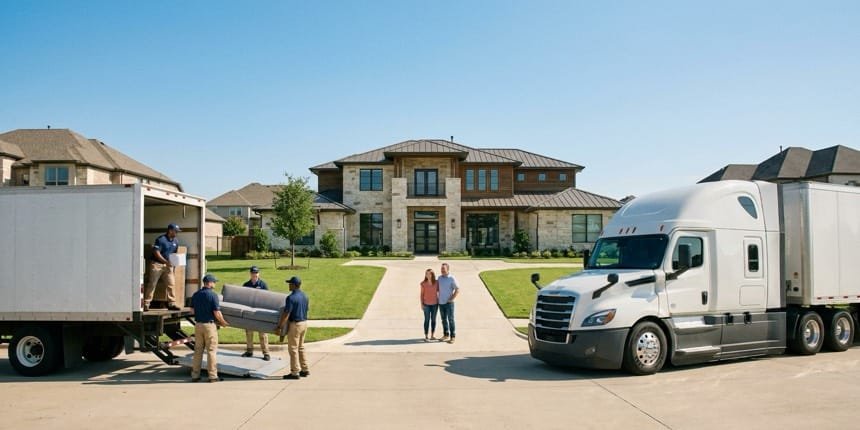
Planning a move in Texas involves more than budgeting for the moving truck or professional movers. Whether relocating within Houston, moving from Dallas to Austin, or making a long-distance move from Texas to another state, several smaller expenses can add to the overall cost.
Understanding these expenses ahead of time can help households create a realistic moving budget and avoid unexpected costs. From packing materials and storage to transportation and setting up a new home, each expense can affect the final moving bill.
1. Packing Services and Supplies
Packing is one of the first expenses to consider when preparing for a move. Professional movers may offer packing services that include labor and materials, while a DIY approach can reduce costs.
A DIY packing strategy may save approximately $200 to more than $800, depending on the size of the household and the amount of packing required. Households can reduce expenses further by decluttering before packing and obtaining free or secondhand boxes and other materials.
Packing room by room can also help reduce the number of items being transported. Fewer belongings mean fewer boxes, less labor and potentially lower moving costs.
For heavy, fragile or oversized belongings, professional assistance may still be worthwhile. Proper handling can help reduce the risk of injuries and property damage.
2. Professional Moving Services
Professional moving labor is often one of the largest expenses associated with a relocation. The total cost can vary based on the distance, home size, number of belongings, labor hours and services selected.
A small local move may cost considerably less than a long-distance relocation involving a larger home. Texas residents should also consider the specific requirements of their move, such as stairs, elevators, difficult parking access or large furniture.
When comparing moving estimates, it is important to review exactly what is included. Some quotes may cover transportation and basic labor but charge separately for packing, specialty items or additional services.
Moving during an off-peak period can also provide opportunities to reduce costs. Midweek, midmonth and cooler-season moves may offer greater scheduling flexibility and potentially lower rates.
3. Moving Insurance and Valuation Coverage
Protection for household belongings is another expense that should be considered when hiring professional movers.
For interstate moves, moving companies must comply with requirements established by the Federal Motor Carrier Safety Administration (FMCSA). Moving customers generally receive valuation protection options, including released value protection and full value protection.
Released value protection covers belongings at $0.60 per pound per article and is generally provided at no additional charge. However, this amount may not adequately cover the replacement value of expensive belongings.
Full value protection may provide broader coverage but can involve an additional cost. Customers should ask the moving company what protection is included in the estimate and whether high-value items need to be declared in advance.
4. Cleaning Services
Cleaning can become an overlooked expense when moving out of a Texas home or apartment. Renters may need to clean the property before returning the keys, while homeowners may choose professional cleaning to prepare the property for sale or its next occupants.
Professional cleaning services can generally cost around $25 to $70 per hour, depending on the service and scope of work.
There may also be value in arranging cleaning services for the new residence. A move-in cleaning can make it easier to settle into the property before furniture and boxes are fully unpacked.
5. Transportation and Travel
Long-distance Texas relocations can involve travel expenses beyond the moving company’s transportation charges.
For example, someone moving from Houston to another state may need to budget for fuel, meals and overnight accommodations. Families traveling several hundred miles may also need to account for additional hotel nights.
Hotel stays can become a significant expense, particularly when the new home is not ready when the household arrives. Those flying to their destination should also account for airfare and transportation from the airport.
Creating a separate travel budget can help prevent these costs from being overlooked.
6. Storage Costs
Temporary storage may be necessary when there is a gap between moving out of one property and moving into another.
Storage unit prices can vary considerably based on location, unit size, amenities and rental duration. A typical storage unit may cost around $75 to $185 per month, although larger units can cost substantially more.
Texas residents moving between cities such as Houston, Dallas, San Antonio or Austin may need storage when closing dates, lease periods or moving schedules do not line up.
Before renting a storage unit, it is useful to determine how much space is actually required. Decluttering before the move may allow households to rent a smaller and less expensive unit.
7. Vehicle Shipping
Vehicle transportation is another expense that can be overlooked during a major relocation. Households moving long distances may decide to ship one or more vehicles instead of driving them to the new destination.
One survey cited an average vehicle-shipping cost of approximately $1,390 for a distance of 969 miles, although actual prices vary based on mileage, vehicle type, transportation method, season and pickup and delivery locations.
Texas residents moving out of state should also research requirements for updating vehicle registration, driver’s licenses and other documentation after establishing residency in their new state.
8. New Home Essentials
The expenses do not necessarily end once the moving truck arrives. Setting up a new Texas home can involve several additional purchases and services.
Renters may need to pay a security deposit, while homeowners may face expenses related to repairs, maintenance or other property improvements. New residents may also need furniture, household supplies, appliances or other items that were not transported during the move.
Even everyday expenses can add up. Restocking the refrigerator, freezer and pantry after a long-distance relocation is an example of a cost that can easily be overlooked when creating a moving budget.
It can be helpful to set aside a separate amount for immediate move-in needs rather than allocating the entire budget to transportation and moving labor.
9. Miscellaneous and Unexpected Expenses
Some moving expenses are difficult to predict until the relocation is underway. Extra labor, last-minute packing materials, additional storage days, parking fees, travel changes or unexpected repairs can increase the final cost.
Texas weather can also be a consideration when planning a move. Extreme heat during summer months may require additional planning for outdoor loading and unloading, while severe weather can create scheduling complications.
Keeping an emergency fund specifically for the move can provide additional financial flexibility if unexpected expenses arise.
How to Create a Moving Budget in Texas
A realistic moving budget should account for both major and minor expenses. Start by determining the amount of property being moved, the distance between locations and whether professional movers will be hired.

For a DIY move, estimate expenses such as:
- Packing materials
- Truck rental
- Fuel and mileage
- Storage
- Lodging
- Meals
- Vehicle expenses
- Cleaning
- New-home essentials
For a professional move, request detailed estimates and determine whether the quote includes packing, loading, transportation, unloading and other requested services.
One useful way to think about moving expenses is that the more belongings being transported, the more time, space and labor may be required. Decluttering before requesting quotes can therefore make the moving process more efficient and potentially reduce the total cost.
How to Save Money When Moving in Texas
Moving expenses can add up quickly, but several strategies can help keep the budget under control.
Declutter before packing: Donate, sell or discard belongings that are no longer needed.
Use affordable packing materials: Free or secondhand boxes can reduce supply costs.
Pack and unpack independently: Handling these tasks without professional assistance can reduce labor expenses.
Prepare furniture and appliances: Disassembling eligible furniture and disconnecting appliances before movers arrive can potentially reduce labor time.
Choose the timing carefully: Off-peak moving dates may provide more flexible scheduling and potentially lower rates.
Compare multiple estimates: Getting quotes from several moving companies can make it easier to compare pricing and services.
Keep an emergency fund: Setting aside money for unexpected expenses can prevent small surprises from disrupting the overall budget.
Texas Moving Costs Can Vary by Location
The cost of moving can differ depending on where the relocation takes place. A local move within Houston may have different requirements from a relocation between Dallas and Austin, while a move from San Antonio to another state can involve additional transportation and travel expenses.
The size of the household, distance, availability of movers and local demand can all influence the final price. For that reason, Texas residents should use general cost ranges as budgeting guidelines rather than guaranteed prices.
Conclusion
Moving in Texas requires more financial planning than simply paying for transportation and moving labor. Packing supplies, professional services, valuation coverage, cleaning, storage, travel, vehicle shipping and new-home essentials can all contribute to the final cost.
Creating a detailed budget before moving day can make these expenses easier to manage. Decluttering early, comparing moving estimates, choosing an appropriate moving date and keeping money available for unexpected costs can help households approach their Texas relocation with greater financial confidence.
Frequently Asked Questions
The amount depends on the size of the household and whether professional packing services are used. A DIY approach may save approximately $200 to more than $800 compared with professional packing.
Storage prices vary by location, unit size and rental duration. A typical storage unit may cost around $75 to $185 per month, although larger units can cost considerably more.
People moving to Texas should consider moving labor, packing, transportation, storage, cleaning, travel, vehicle expenses and costs associated with establishing their new residence.