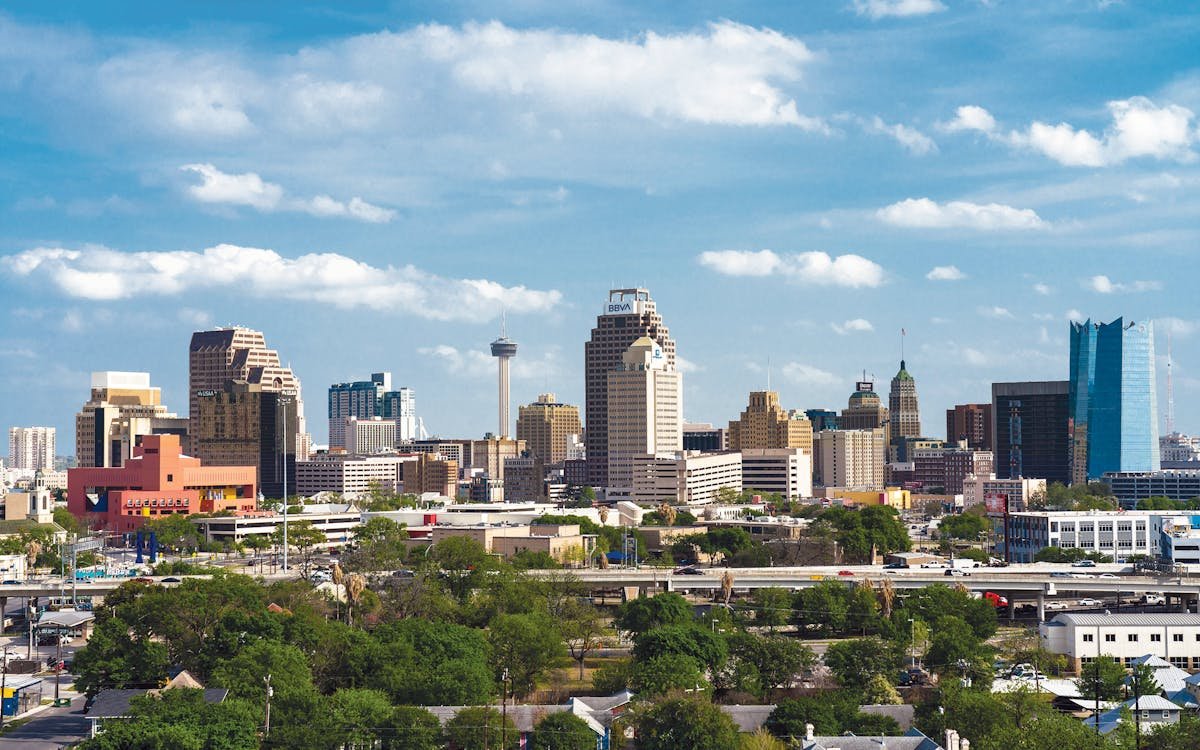
Texas is home to several major cities, each offering a different combination of economic opportunity, lifestyle, culture, transportation, housing, and urban development. Houston, Dallas, Austin, and San Antonio have all experienced significant growth, but their approaches to development have produced distinctly different environments for residents and visitors.
Rather than identifying one universally superior city, comparing the four major metropolitan areas provides a clearer picture of what each offers. Factors such as affordability, urban character, job opportunities, cultural diversity, outdoor access, and growth patterns can influence which city is the best fit for a particular lifestyle.
San Antonio Offers History And A Relaxed Urban Experience
San Antonio stands apart from the other major Texas cities because of its historic character and comparatively relaxed pace. The city combines Spanish, Mexican, German, and Southwestern influences, creating an architectural and cultural identity that is difficult to replicate elsewhere in the state.
The River Walk remains one of its most recognizable attractions, while historic districts and public spaces contribute to its distinctive atmosphere. Compared with Dallas and Houston, San Antonio generally feels less dominated by skyscrapers, highways, and corporate development.
At the same time, the city has continued to expand economically. Population growth, employment opportunities, new residential development, and an increasingly international population have helped San Antonio evolve beyond its traditional tourism identity.
This combination of history and modernization makes the city appealing to people who want access to big-city amenities without giving up a strong sense of place.
Austin Combines Culture, Entertainment, And Outdoor Access
Austin has developed a reputation for its music, nightlife, restaurants, creative industries, and youthful population. Its downtown and surrounding neighborhoods can provide an energetic urban experience, particularly during evenings and weekends.
The city also benefits from its location amid Central Texas landscapes. Parks, lakes, trails, and rural areas surrounding the metro provide opportunities for outdoor recreation and give residents relatively easy access to nature. The growing appeal of the region has also influenced hospitality development, with luxury hotels transforming parts of the Texas Hill Country into increasingly sought-after destinations.
However, Austin’s rapid population growth has created challenges. Housing demand has increased significantly, while development restrictions and limited housing supply have contributed to affordability concerns.
Traffic is another major issue as more people move into the region. The city’s growth has therefore created a complicated balance between preserving its character and accommodating increasing demand for housing, transportation, and employment.
Dallas Provides Scale And Economic Opportunity
Dallas offers a dramatically different urban model. The broader Dallas-Fort Worth region has expanded rapidly, with extensive suburban development, major highways, corporate centers, and new residential communities.
This growth has helped establish the metroplex as one of the country’s major economic centers. Corporate relocations, job creation, housing construction, and population growth have all contributed to Dallas-Fort Worth’s expanding influence.
Dallas also offers considerable cultural and demographic diversity. Neighborhoods such as Bishop Arts District and Lower Greenville provide more concentrated urban experiences, while the broader metropolitan area contains numerous distinct communities and business centers.
The region’s enormous scale can be both an advantage and a drawback. Residents have access to a wide range of employment, shopping, dining, entertainment, and housing options, but commuting distances and automobile dependence can make the metroplex feel less cohesive than smaller urban areas.
Houston Combines Growth, Diversity, And Urban Variety
Houston offers a different combination of characteristics. Like Dallas, it has experienced substantial population and economic growth, while its international population gives it a highly diverse cultural environment.
The city’s urban landscape is also unusually varied. Some neighborhoods feature dense residential development, walkable streets, restaurants, shops, and multifamily housing, while other areas have a much more suburban character.
One of Houston’s most distinctive characteristics is its approach to land use. The city is widely known for lacking a conventional citywide zoning code. This has allowed different types of development to emerge in close proximity and has contributed to Houston’s eclectic mixture of residential, commercial, and industrial uses.
The result is an urban environment that can appear unconventional but also provides opportunities for redevelopment and densification.
How The Four Cities Compare
Each of the four major Texas cities has developed around different priorities.
San Antonio emphasizes history, culture, family-oriented communities, and a more relaxed atmosphere. Austin is known for entertainment, creativity, outdoor recreation, and a strong cultural identity. Dallas stands out for its metropolitan scale, corporate economy, extensive infrastructure, and rapid development. Houston combines economic growth, diversity, neighborhood variety, and relatively flexible development patterns.
These differences mean that the best city depends heavily on individual priorities.
Someone seeking historic character and a slower pace may prefer San Antonio. A person drawn to music, nightlife, outdoor activities, and a creative culture may favor Austin. Those prioritizing corporate opportunities and a vast metropolitan environment may find Dallas appealing. Houston can attract residents looking for diversity, economic opportunity, varied neighborhoods, and a large-city atmosphere.
Growth Has Shaped Each City’s Identity
One of the most interesting differences among these cities is how they have responded to population growth.
Austin has faced the tension between preserving its character and accommodating new residents. Dallas-Fort Worth has largely embraced extensive expansion and infrastructure development. Houston has allowed a more flexible combination of suburban growth and urban redevelopment. San Antonio has grown while retaining more of its historic identity.
These decisions influence everything from housing costs and transportation to neighborhood design and population density.
Urban growth is therefore not simply about adding more residents. Policies governing land use, housing, transportation, and development can determine how a city feels and functions as it expands.
There Is No Single Best Texas City
The debate over which Texas city is best is unlikely to have a universal answer. Houston, Dallas, Austin, and San Antonio each offer a different interpretation of modern Texas.
The strongest choice ultimately depends on lifestyle, career goals, housing preferences, transportation needs, and cultural interests. Together, however, these cities demonstrate why Texas has become such an important destination for residents, businesses, entrepreneurs, and newcomers from around the country.
Their different approaches to growth also provide an interesting look at how major American cities can evolve in very different directions while experiencing similar population and economic pressures.
Conclusion
Houston, Dallas, Austin, and San Antonio each bring something distinctive to Texas’s urban landscape. San Antonio offers historic charm and a relaxed atmosphere, Austin combines culture and outdoor access, Dallas provides metropolitan scale and economic strength, while Houston stands out for its diversity and varied development patterns.
Rather than asking which city is objectively the best, it can be more useful to consider which city best matches a person’s priorities. The diversity of these four urban centers is ultimately one of Texas’s greatest strengths, giving residents and visitors a broad range of lifestyles and experiences to choose from.
FAQs
San Antonio may appeal to families seeking a more relaxed atmosphere and strong historic and cultural character, although Dallas, Houston, and Austin also offer extensive family-oriented communities and amenities.
Dallas-Fort Worth, Houston, Austin, and San Antonio have all experienced significant growth, with each metropolitan area following a somewhat different development pattern.
Yes. Houston is known for its flexible land-use environment and mix of development types, while Dallas-Fort Worth is characterized by extensive suburban expansion, major infrastructure, and a highly decentralized metropolitan structure.