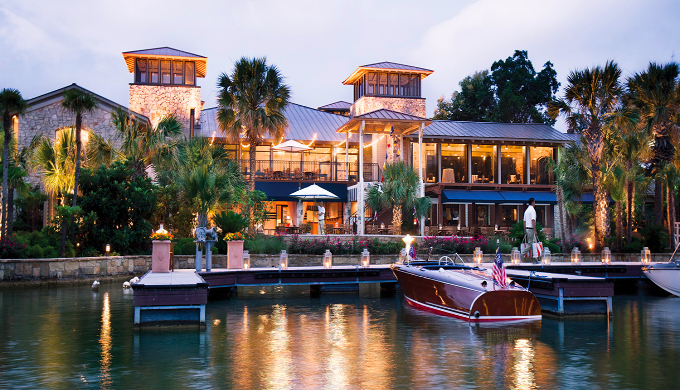
The Texas Hill Country is entering a new era of luxury tourism as internationally recognized hospitality brands and developers invest heavily in the region. Once known primarily for boutique inns, working ranches, and winery visits, the area around Fredericksburg, Dripping Springs, Johnson City, and nearby communities is becoming a destination for high-end resorts, wellness retreats, branded residences, vineyards, and private estates.
Major names including Waldorf Astoria, Aman, Auberge Resorts Collection, Canyon Ranch, and Kimpton are bringing large-scale projects to the region. Their investments reflect growing demand for sophisticated accommodations while also highlighting the unique appeal of the Hill Country’s landscapes, wine culture, outdoor activities, and small-town character.
Why Texas Hill Country Is Attracting Luxury Travelers
The comparison between Texas Hill Country and Napa Valley is easy to understand. Both regions combine vineyards, restaurants, scenic landscapes, and a growing second-home market. However, the Texas destination offers a distinctly different experience.
Travelers can explore wineries and tasting rooms, ride horses, swim in natural waterways, enjoy barbecue and chef-driven restaurants, and experience live music. The combination of wine-country sophistication and traditional Texas ranch culture gives the region an identity of its own.
Accessibility is another major advantage. Fredericksburg, Dripping Springs, Spicewood, and Johnson City are within driving distance of Austin and San Antonio, while Dallas and Houston provide large populations of potential visitors and second-home buyers. Understanding the best cities in Texas also helps put the Hill Country’s growing appeal into perspective, particularly when comparing it with the state’s larger metropolitan destinations. The region can therefore offer a countryside escape without requiring a flight for many Texas residents.
Fredericksburg has also developed a substantial wine tourism industry, with dozens of wineries, vineyards, and tasting rooms contributing to longer weekend stays and increased visitor spending.
Luxury Hotels Are Expanding Beyond Traditional Accommodations
The latest developments are not simply adding hotel rooms. Many projects combine accommodations with restaurants, spas, recreational facilities, event spaces, and private residences.
The Waldorf Astoria Texas Hill Country project, located on more than 100 acres near Fredericksburg, illustrates this approach. The development is planned to include hotel rooms and suites, resort villas, private residences, dining venues, a large spa and fitness center, pools, and recreational facilities.
The project also demonstrates how luxury developers are attempting to preserve the area’s natural setting. Plans emphasize extensive landscaping and low-rise accommodations rather than creating a dense resort environment.
Kimpton Fredericksburg is taking another approach. The planned 210-room property will anchor The Meuse, a mixed-use district near Fredericksburg’s Main Street. The development is expected to combine hospitality, restaurants, retail, entertainment, and event space, potentially creating a new center of activity within the community.
Branded Residences Are Changing the Real Estate Market
One of the most significant developments in the region is the growing popularity of branded residences. These properties allow buyers to own homes connected to luxury hospitality brands while gaining access to hotel-style services and amenities.
Projects associated with Waldorf Astoria, Canyon Ranch, and Aman are incorporating residential components into their larger developments. This model provides developers with another source of capital while giving buyers access to professionally managed properties, wellness facilities, hospitality services, and curated experiences.
The appeal also reflects changing attitudes toward second-home ownership. Remote work and greater flexibility have made it easier for owners to spend extended periods away from their primary residences. Instead of using a second home only for occasional weekends, some buyers are seeking properties that can function as longer-term lifestyle retreats.
Rental programs can provide another potential benefit. Certain resort residences allow owners to place their properties into professionally managed rental programs when they are not using them, potentially helping offset ownership expenses.
Wine Producers Are Becoming Hospitality Developers
The expansion of Hill Country tourism is also encouraging wineries to become more involved in lodging and real estate.
The Presidio in Johnson City opened in 2026 following the renovation and rebranding of the former Bentley Hotel on the grounds of Republic Boot Company’s Wine Castle. With a small collection of rooms and suites surrounding a courtyard pool, the property gives visitors an opportunity to stay directly along the region’s wine route.
Other winery developments are taking the concept further. Plans for a new Llano Estacado Winery development in Fredericksburg include a winery, tasting room, restaurant, retail space, and boutique hotel.
Carter Creek Winery Resort & Spa already demonstrates how wine, accommodations, dining, and wellness can be combined into a single destination.
Puerta del Lobo is pursuing an even more residential model. The Mexico-based winery and hospitality group plans to develop private vineyard estates in the Texas Hill Country, allowing homeowners to have vineyards professionally managed and potentially produce wine under their own labels.
These projects suggest that the region’s wine industry is increasingly becoming part of a broader hospitality and lifestyle ecosystem.
Canyon Ranch Brings A Strong Focus On Wellness
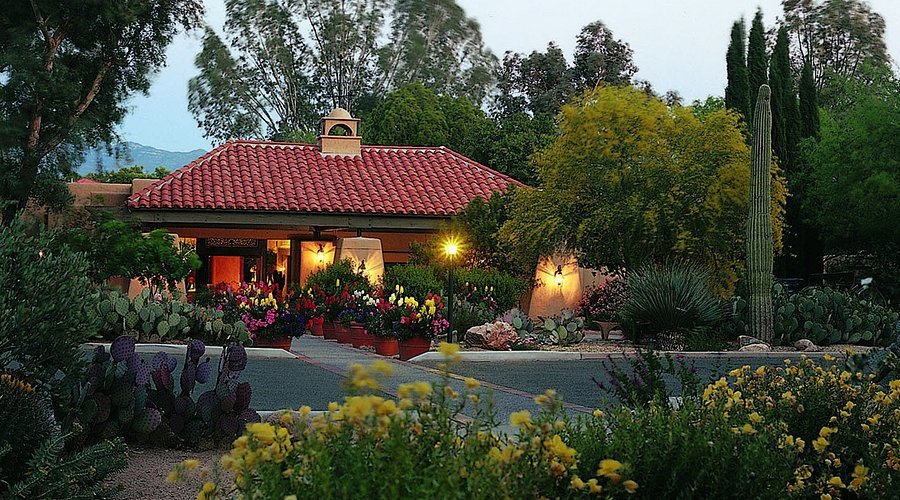
Wellness is another major component of the region’s luxury expansion.
Canyon Ranch Austin is planned as a large wellness destination on more than 600 acres near Lake Travis. The resort is expected to include guest accommodations, an extensive spa, medical facilities, fitness spaces, outdoor trails, equestrian activities, racquet sports, and water-based recreation.
The combination of medical, fitness, spa, and recreational services positions the project differently from a conventional luxury hotel. Instead of simply providing a place to stay, the concept is centered around health, fitness, relaxation, and longer immersive stays.
Its residential component further demonstrates the growing connection between luxury hospitality and real estate in the Hill Country.
Aman And Auberge Are Embracing The Ranch Lifestyle
Aman is also entering the region with Amansanu, a planned ranch-style resort designed around privacy, nature, and outdoor experiences. The project is expected to include standalone pavilions, large private homes, trails, racquet facilities, a spa, and fully serviced stables.
Rather than imposing a conventional luxury resort model on the region, the development is designed to incorporate elements of the Texas ranch lifestyle.
Auberge Resorts Collection is taking a similarly nature-focused approach with The Inn at Mirasol Springs. Planned along the Pedernales River on a large property, the development is expected to feature guest accommodations, cottages, a farm, restaurant, spa, trails, and river access.
The project also includes conservation efforts, reflecting the growing importance of balancing development with protection of the Hill Country’s natural environment.
Local Operators Already Established The Luxury Model
The arrival of international brands does not mean luxury hospitality is new to the Texas Hill Country.
Local and independent properties have been offering distinctive experiences for years. Camp Lucy in Dripping Springs combines accommodations, dining, wellness, and a ranch setting. Onera near Fredericksburg offers unconventional lodging such as treehouses, container-style accommodations, and safari-inspired tents.
JL Bar Ranch provides an exceptionally private ranch experience, while Paniolo Ranch offers cottages, spa services, and outdoor amenities near Boerne.
These properties helped establish the region’s reputation for privacy, nature, and experiential travel. The major hotel brands are now expanding that model with greater scale, recognizable names, and extensive amenities.
Established properties are also investing to remain competitive. Hyatt Regency Hill Country Resort and Villas, for example, has undergone a major renovation that included upgraded accommodations and a large swimming lagoon.
The Challenge Of Preserving The Hill Country
Rapid growth brings an important question: Can the region attract luxury development without losing the qualities that made it desirable in the first place?
Water availability, conservation, traffic, drainage, emergency access, and land use are all important considerations. The region faces a particularly complicated combination of drought conditions and sudden heavy rainfall, making responsible development increasingly important.
Recent flooding in the Hill Country has reinforced concerns about drainage and development in environmentally sensitive areas.
Some developers are responding by incorporating conservation-minded strategies. Projects are using native landscaping, efficient plumbing, lower-density designs, conservation easements, and agricultural components intended to reduce environmental impacts.
Preserving the landscape is not simply an environmental issue. It is also central to the area’s appeal. The open land, natural scenery, rivers, vineyards, and rural atmosphere are precisely what attract luxury travelers and second-home buyers.
Texas Hill Country Is Developing Its Own Identity
Calling the Texas Hill Country the next Napa Valley captures part of the story, but the comparison has limits.
The region’s wine industry is expanding, luxury hotels are arriving, and high-end residential development is accelerating. Yet the Hill Country remains distinctly Texan. Its appeal comes from the combination of vineyards and ranches, fine dining and barbecue, wellness retreats and outdoor recreation, sophisticated hospitality and small-town communities.
The arrival of major luxury brands could establish the Texas Hill Country as one of the country’s most important emerging high-end travel destinations. Whether that growth succeeds in the long term will depend on how effectively developers, communities, and local businesses balance investment with conservation.
For travelers and property buyers, the transformation offers an increasingly diverse range of experiences. For the region itself, the challenge will be maintaining the character that made the Hill Country worth discovering in the first place.
Conclusion
The Texas Hill Country is moving beyond its reputation as a weekend wine destination. Major hospitality companies, independent operators, wineries, and residential developers are creating an interconnected luxury ecosystem built around wine, wellness, nature, dining, and ranch culture.
While the region may share some characteristics with Napa Valley, its long-term appeal is likely to come from what makes it different. The combination of Texas landscapes, outdoor adventure, vineyards, hospitality, and rural character gives the Hill Country the potential to become a major luxury destination without simply becoming another version of California wine country.
FAQs
Yes. Major hospitality brands and developers are investing in luxury hotels, wellness resorts, private residences, vineyards, and experiential accommodations throughout the region.
Fredericksburg combines a strong wine tourism industry with historic architecture, scenic surroundings, accessibility from major Texas cities, and growing demand for second homes and upscale travel experiences.
Luxury development is expanding tourism, hospitality, and real estate opportunities while also raising concerns about water resources, conservation, infrastructure, and preserving the area’s distinctive character.