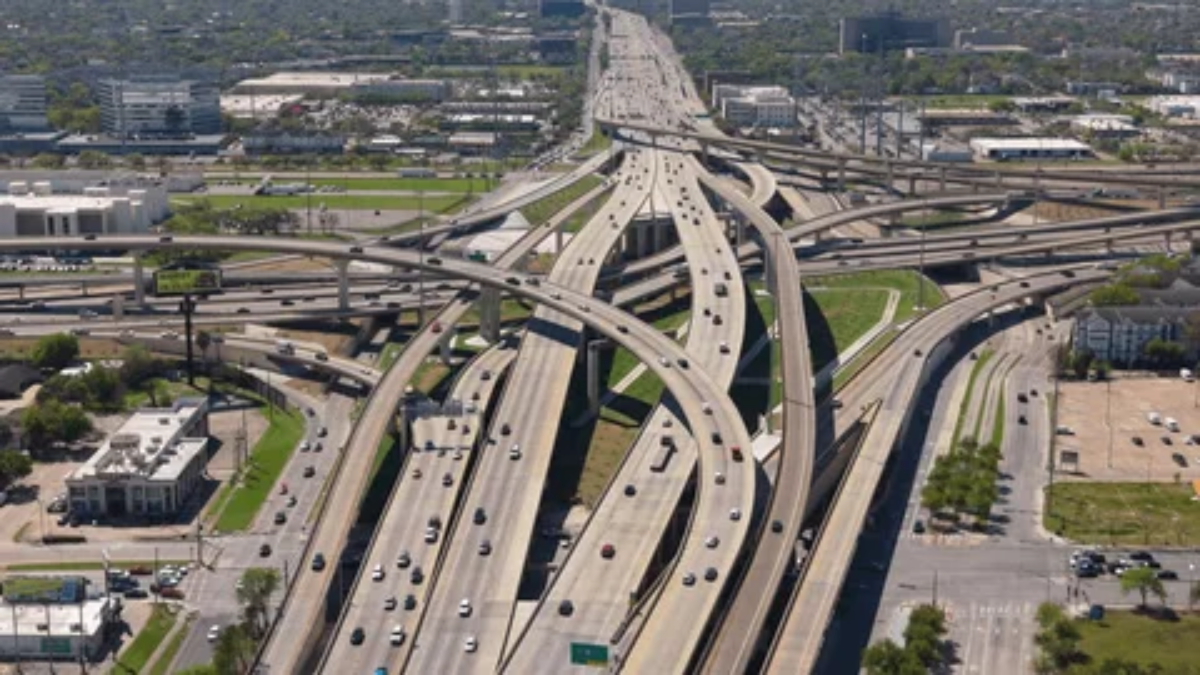
Texas is moving forward with a major transportation investment plan designed to address highway congestion, improve roadway safety, maintain existing infrastructure, and support the state’s continued population and economic growth.
The Texas Transportation Commission has approved the 2027 Unified Transportation Program (UTP), outlining an estimated $138 billion in transportation investments over the next decade. The program includes funding for construction projects, project development, routine maintenance, congestion relief, safety improvements, and transportation infrastructure across the state.
Several major projects in the Houston region are included in the plan, potentially bringing improvements to some of the area’s busiest and most important transportation corridors.
How the $138 Billion Transportation Plan Is Structured
The 10-year transportation program allocates approximately $95 billion for transportation projects, while another $43 billion is designated for project development and routine maintenance.
The investment is intended to address transportation needs across Texas as communities continue to expand. With population growth placing additional pressure on major roadways, transportation officials are focusing on improving mobility while maintaining infrastructure already in place.
The plan covers more than traditional highway construction. It also addresses public transportation, freight movement, maritime infrastructure, aviation, rail, international trade routes, and bicycle and pedestrian connectivity.
Houston Area Receives Attention in the Plan
Houston is one of the state’s major economic and population centers, making transportation infrastructure particularly important to the region. The Woodlands is also taking steps to shape its long-term regional future, including a $50 million deal aimed at preventing potential Houston annexation, highlighting how population growth, local governance, and infrastructure planning are increasingly interconnected across the Houston area.
Several Houston-area projects have been identified as priorities under the new transportation program. Work associated with the North Houston Highway Improvement Project is expected to remain a key focus for the Houston District, with multiple projects planned during the first four years of the program.
The long-term initiative involves improvements along major freeway corridors around central Houston and is intended to address transportation capacity and mobility needs in the region.
IH-10 West Improvements
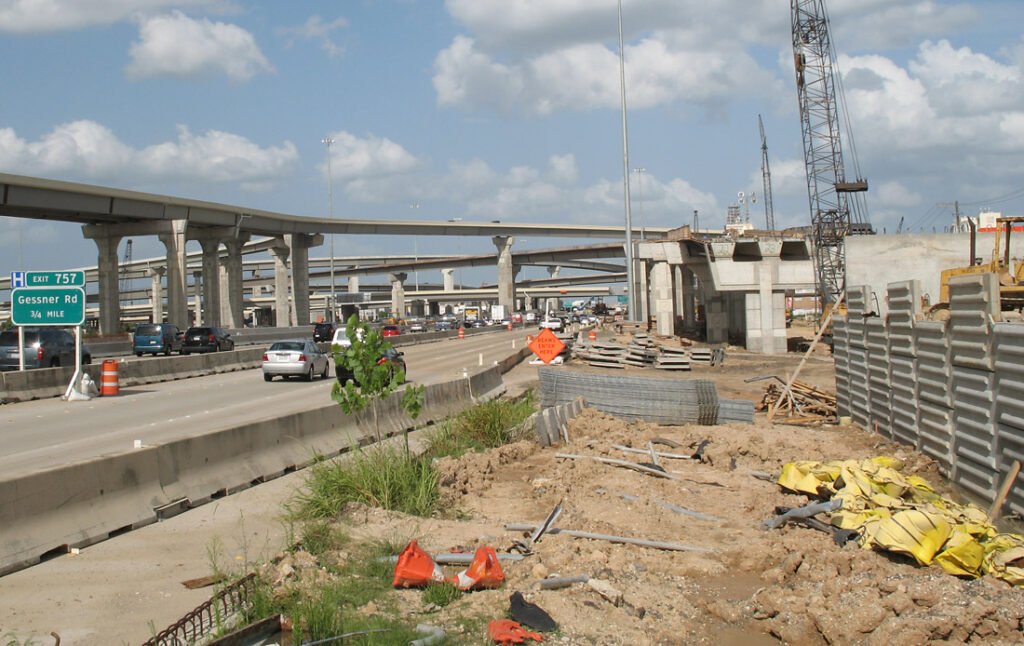
Another Houston-area priority involves continued development of improvements along IH-10 West between Mason Road and FM 359.
The corridor serves large numbers of commuters, residents, and commercial vehicles, making improvements potentially significant for mobility in the western portion of the Houston region.
Project development funding will help advance planning and prepare the project for potential construction as additional resources become available.
Improvements Planned Near the San Jacinto River
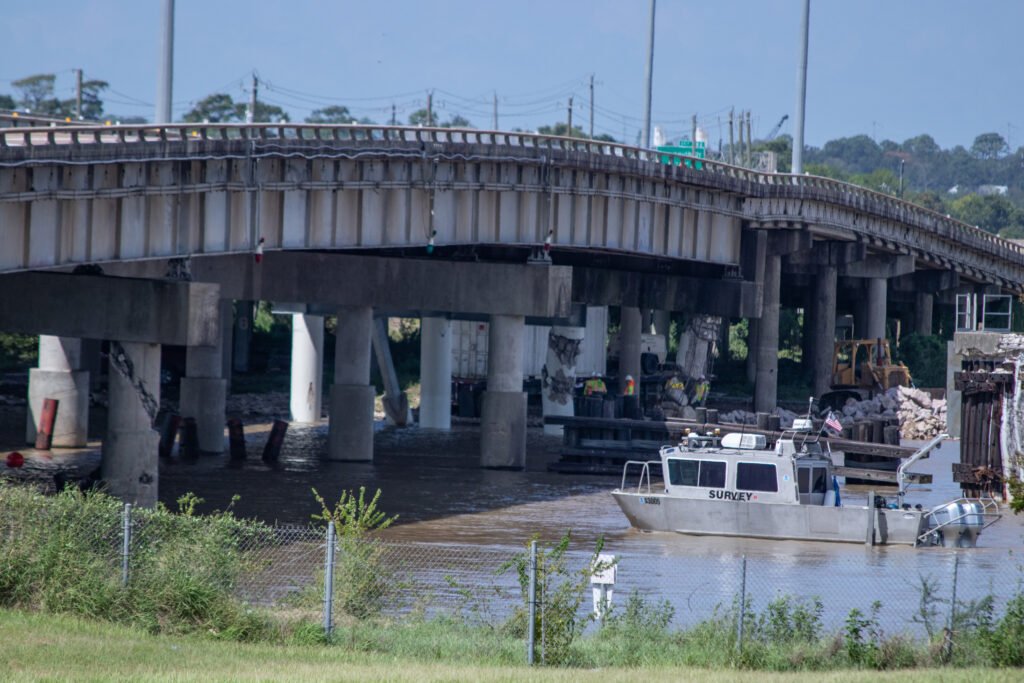
The transportation plan also includes a major project involving IH-10 and the San Jacinto River.
According to transportation officials, the project is expected to increase roadway capacity while improving the corridor’s resiliency. The work also addresses risks associated with previous barge strikes in the area.
Improving both capacity and resiliency can help transportation infrastructure better withstand disruptions while supporting the movement of people and goods through the region.
Focus on Congestion and the State’s Busiest Roads
Congestion remains one of the biggest transportation challenges facing rapidly growing Texas communities.
The new UTP includes projects involving roadway segments identified among Texas’ most congested corridors. Additional funding is also planned for Texas Clear Lanes projects, which focus on reducing congestion on major transportation routes.
Since 2015, the program has supported billions of dollars in completed, active, and planned non-tolled congestion-relief projects. The latest transportation plan continues that approach while expanding investment in other areas.
Safety and Rural Transportation Also Included
While major metropolitan areas such as Houston receive substantial attention, the transportation program also addresses needs in rural communities.
Funding will support safety improvements, rural corridors, freight routes, and transportation connections that are important to the state’s economy.
This broader approach recognizes that Texas’ transportation network extends well beyond major urban highways. Rural roads and freight corridors are particularly important for agriculture, manufacturing, energy, logistics, and other industries that depend on reliable transportation.
Supporting Texas’ Economic Growth
Transportation infrastructure plays an important role in Texas’ economic development.
Major highways connect metropolitan areas, ports, distribution centers, manufacturing facilities, commercial districts, and residential communities. Reliable roads can also support businesses by helping employees reach workplaces and allowing goods to move efficiently across the state.
The transportation plan is therefore intended not only to address current congestion but also to prepare Texas infrastructure for future growth.
What the Plan Could Mean for Houston Drivers
For Houston-area drivers, transportation improvements may eventually result in expanded roadway capacity, upgraded infrastructure, improved safety features, and better resilience along important corridors.
However, major infrastructure programs typically take years to move from planning and development into active construction and completion. The timing of individual projects can depend on funding availability, design, environmental reviews, contracting, and other factors.
Residents and businesses should therefore view the UTP as a long-term framework rather than an indication that every planned improvement will be completed immediately.
A Long-Term Investment in Transportation
The scale of the transportation program reflects the challenges created by Texas’ rapid growth.
Transportation officials have emphasized practical outcomes such as maintaining existing roads, improving safety, addressing congestion, and supporting the movement of people and goods.
The plan’s broad scope also gives transportation agencies an opportunity to prepare projects that may move forward as additional funding becomes available.
Conclusion
Texas’ approval of the $138 billion transportation plan represents a significant long-term investment in the state’s transportation network. The program combines funding for new projects with maintenance, project development, congestion relief, safety improvements, and transportation infrastructure across multiple modes.
For Houston, the plan includes several notable priorities, including work connected to the North Houston Highway Improvement Project, IH-10 West, and the IH-10 and San Jacinto River corridor.
As Texas continues to grow, transportation infrastructure will remain an important factor in supporting mobility, economic activity, and quality of life. The newly approved program provides a framework for addressing those needs over the next decade, although individual projects will progress according to their respective funding and development schedules.
FAQs
Texas’ 2027 Unified Transportation Program outlines approximately $138 billion in transportation investments over 10 years. About $95 billion is planned for transportation projects, with another $43 billion allocated to project development and routine maintenance.
Houston-area priorities include work associated with the North Houston Highway Improvement Project, continued development of IH-10 West between Mason Road and FM 359, and improvements near IH-10 and the San Jacinto River.
Not necessarily. The plan provides long-term funding and project development resources, but individual projects can take years to design, fund, construct, and complete. The improvements are intended to address congestion and transportation needs progressively over time.