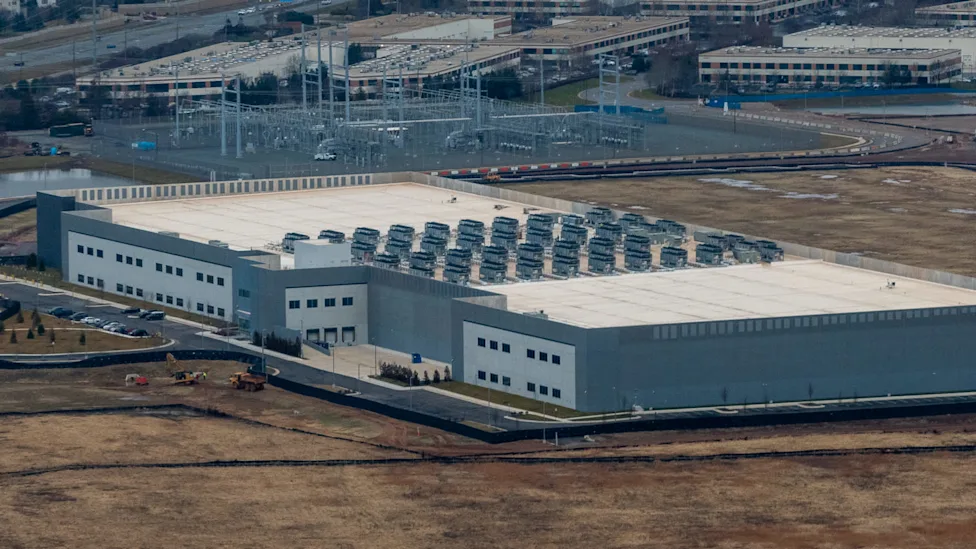
Data center development is accelerating across North Texas, driven by growing demand for cloud computing, digital services and artificial intelligence. However, a recent survey of local government officials suggests that many communities in the region may not yet have the infrastructure needed to accommodate the industry’s rapid expansion.
The findings highlight concerns about water availability, electricity demand, infrastructure capacity, environmental impacts and the long-term economic benefits associated with data center projects.
Many Communities Say Infrastructure Needs Major Upgrades
A survey conducted by the North Central Texas Council of Governments gathered responses from 31 local government leaders and municipal staff members about data center development in their communities.
According to the survey findings, 78% of respondents said their city or county did not have adequate infrastructure to support additional data centers without significant upgrades.
The infrastructure concerns extend beyond roads and buildings. Local governments are also considering whether existing water supplies and electrical systems can handle the demands associated with large-scale data center facilities.
As data centers become larger and more numerous, communities may need to evaluate infrastructure capacity before approving new projects.
Water Supply Is a Major Concern
Water use emerged as one of the most significant environmental concerns among survey respondents. Nearly all respondents—96%—identified data centers as potentially placing substantial strain on local water resources.
The issue is particularly important in a rapidly growing region such as North Texas, where population growth is already increasing demand for water.
Some data centers use cooling systems designed to reduce water consumption. Closed-loop cooling systems, for example, can reuse water rather than continuously requiring fresh supplies. However, cooling technology and the energy required to operate data centers can create additional infrastructure considerations.
Communities therefore face the challenge of balancing the water requirements of new developments with the needs of residents, businesses, agriculture and other industries.
Growing Pressure on the Power Grid
Electricity availability is another major concern. About 81% of survey respondents expressed concerns about the strain data centers could place on the power grid.
Data centers require substantial amounts of electricity to operate servers, cooling systems, security equipment and other infrastructure. Rising electricity costs can add another challenge as extreme heat increases energy demand across Texas. The increasing use of artificial intelligence has also contributed to demand for computing capacity, potentially increasing the need for additional data center facilities.
For communities, the challenge is not simply providing enough electricity. Local and state authorities may also need to consider reliability, generation capacity, transmission infrastructure and the environmental impact associated with increased energy consumption.
Economic Benefits Remain Difficult to Measure
Data centers can potentially bring economic benefits to communities through property taxes, construction activity, employment and related business activity. However, the long-term financial impact may be difficult for local governments to evaluate.
Survey participants indicated that there is not always enough information available to determine whether projected tax revenues and other economic benefits will provide lasting value for individual communities.
This uncertainty can make it difficult for municipalities to compare the potential benefits of a project with the infrastructure investments and environmental considerations it may require.
A clearer understanding of projected revenue, infrastructure costs, water use and energy requirements could help communities make more informed development decisions.
Communities Are Looking for Stronger Development Standards
The survey indicates that some North Texas cities and counties are interested in establishing stronger requirements for future data center projects.
Potential measures could include water-reuse requirements, renewable energy commitments, energy-efficiency standards and other sustainability measures.
Such requirements could help communities address infrastructure and environmental concerns while allowing data center development to continue.
Local governments may also benefit from having access to more detailed and consistent data when reviewing proposed projects. Better information about expected water consumption, energy demand, tax revenue and infrastructure costs could make the planning process more transparent.
State-Level Oversight Is Becoming More Important
The rapid expansion of data centers has also increased the need for coordination between local and state authorities.
State agencies can play a role in evaluating how new facilities affect electricity demand, water resources and regional infrastructure. Coordinated planning may help prevent individual communities from making development decisions without a broader understanding of regional impacts.
As data center projects become increasingly connected to artificial intelligence and other high-demand technologies, infrastructure planning is likely to remain an important issue for Texas policymakers.
Balancing Technology Growth With Community Needs
Data centers support a wide range of digital services, including cloud computing, online transactions, communications and artificial intelligence applications. Their role in the modern economy means demand for data infrastructure is unlikely to disappear.
At the same time, communities must consider how new facilities fit within existing infrastructure and environmental constraints.
The challenge for North Texas is finding a balance between supporting technology-related investment and protecting essential resources such as water and reliable electricity.
What Communities Can Consider Before Approving Data Centers
Local governments evaluating new data center proposals may consider several factors:
- Water requirements: How much water will the facility use, and what cooling technology will it employ?
- Energy demand: What impact could the facility have on the local and regional power grid?
- Infrastructure costs: What upgrades will be necessary, and who will be responsible for them?
- Economic benefits: What tax revenue, jobs and other financial benefits are realistically expected?
- Environmental impact: How will the project affect local resources and sustainability goals?
- Long-term planning: Can the community accommodate additional development if the region continues to grow?
- Efficiency measures: Can the facility incorporate water reuse, renewable energy or energy-efficient technologies?
Considering these questions early in the approval process can help communities better understand both the opportunities and challenges associated with data center development.
Conclusion
The expansion of data centers across North Texas reflects the growing demand for digital infrastructure, cloud computing and artificial intelligence. However, a recent survey of local government officials suggests that many communities are concerned about whether existing infrastructure can keep pace with this growth.
Water availability, electricity demand, infrastructure upgrades and uncertainty surrounding long-term economic benefits are among the key issues facing local governments.
Future development may depend on stronger planning, improved access to reliable data and clear standards for water use, energy efficiency and sustainability. By carefully evaluating proposed projects, North Texas communities can work toward supporting technological growth while protecting essential resources and addressing local infrastructure needs.
Frequently Asked Questions
North Texas has experienced significant growth in technology and digital infrastructure. Increasing demand for cloud computing, online services and artificial intelligence is contributing to the need for additional data center capacity.
Large data centers can place additional demands on electricity systems, water supplies and other infrastructure. Communities may need significant upgrades before they can support new facilities.
Demand for digital infrastructure is expected to remain significant because businesses and consumers increasingly rely on cloud services, artificial intelligence and other computing technologies. The pace and location of future development will depend on infrastructure capacity, regulations and community planning.