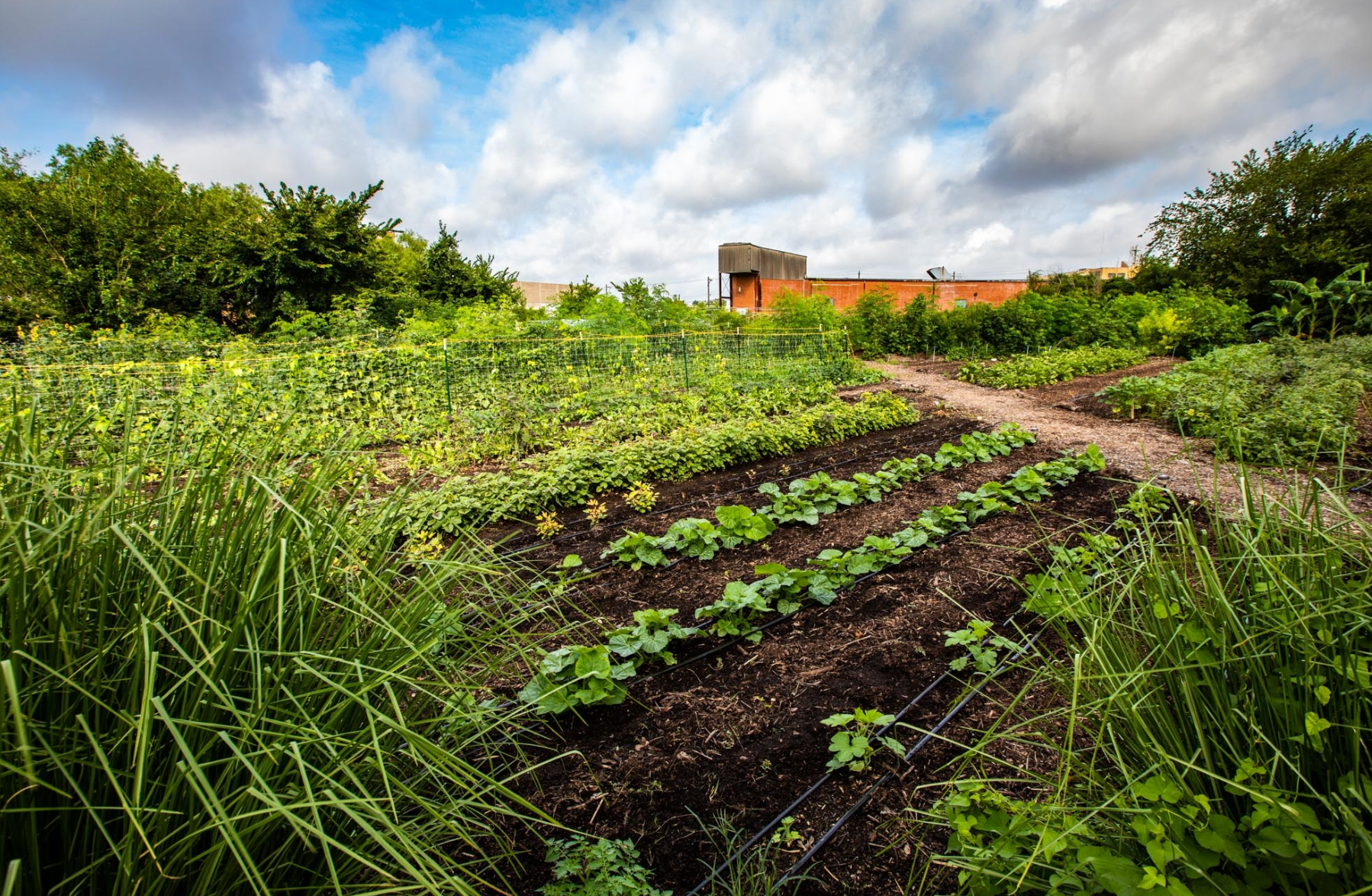
Houston is widely recognized for its energy industry, space exploration and diverse population, but the city also has a growing connection to urban agriculture. One initiative is demonstrating how farming can support refugee communities while introducing residents and visitors to ingredients and culinary traditions from around the world.
Plant It Forward, a Houston-based nonprofit, works with resettled refugees to develop small-scale urban farms. The program combines agricultural education, entrepreneurship and market access, creating opportunities for farmers while contributing fresh and culturally diverse produce to Houston’s food scene.
Supporting Refugee Farmers Through Urban Agriculture
The program works with farmers who have resettled in the Houston area from countries including Congo, Liberia, Sudan and Myanmar. Participants receive agricultural training and business support while cultivating urban plots that can produce specialty ingredients.
Crops may include Thai basil, African eggplant, lemongrass, jute leaves, French sorrel and other vegetables and herbs that are less commonly available through conventional farming operations.
These farms function as more than community gardens. They provide opportunities for farmers to develop businesses, generate income and connect their produce with consumers. Access to farmers’ markets, community-supported agriculture programs and restaurants gives participants additional avenues for selling what they grow.
Connecting Farms With Houston’s Restaurant Scene
Houston’s diverse culinary culture creates a natural market for specialty crops. Restaurants seeking distinctive local ingredients can source produce from refugee farmers while giving diners opportunities to experience flavors associated with different cultures.
The relationship between farmers and restaurants also creates a stronger connection between agriculture and the dining experience. Ingredients that might otherwise be unfamiliar to local consumers can become part of dishes served throughout the city.
This farm-to-table model offers benefits beyond freshness. Purchasing from local refugee farmers can support entrepreneurship while helping preserve and introduce culinary traditions from different parts of the world.
Creating Meaningful Experiences for Visitors
Urban agriculture can also provide travelers with an alternative way to explore Houston. Rather than focusing exclusively on conventional attractions, visitors can participate in experiences centered on food, farming and cultural exchange.
Depending on the season, visitors may have opportunities to take guided farm tours, volunteer with planting or harvesting activities, participate in food-related events or experience meals prepared around locally grown ingredients.
These experiences can provide a closer look at the people and traditions behind the food. For refugee farmers, agriculture may also serve as a way to establish community connections and create a new source of stability after resettlement.
Bringing Fresh Food to Underserved Communities
The impact of urban farming extends beyond restaurants and tourism. Some farms operate in areas where residents have limited access to fresh produce.
By growing food within urban communities, these initiatives can help create additional sources of locally produced fruits, vegetables and herbs. This can be particularly valuable in neighborhoods where access to full-service grocery stores and fresh food options is limited.
The approach demonstrates how small agricultural operations can address several challenges at once, including food access, economic opportunity and community development.
Turning Farming Into Entrepreneurship
One of the notable aspects of the program is its focus on helping participants develop sustainable businesses rather than simply teaching them how to grow food.
Farmers can learn about production, marketing, sales and business management while developing relationships with customers and commercial buyers. These changing opportunities reflect broader shifts in Houston’s workforce, where technology and new business models are reshaping how people work and build careers. Some participants have gone on to establish independent farming or food businesses.
For example, farmers with roots in Myanmar have been able to grow Burmese vegetables and herbs, incorporate those ingredients into traditional dishes and reach customers beyond Houston. Such efforts show how agricultural entrepreneurship can become a bridge between cultural heritage and new economic opportunities.
Businesses Are Getting Involved Too
The model has also attracted interest from companies looking for meaningful community engagement opportunities. Corporate groups can participate in volunteer activities, giving employees the opportunity to work alongside farmers while supporting local initiatives.
These activities can provide businesses with a way to connect corporate social responsibility efforts with tangible community projects. They can also encourage employees to learn more about food systems, entrepreneurship and the experiences of refugee communities.
Why Urban Farming Matters to Houston
Houston’s cultural diversity is one of its defining characteristics, and urban farming provides another avenue for that diversity to influence everyday life. The combination of agriculture, food and entrepreneurship creates opportunities for communities to interact in ways that go beyond traditional tourism or dining.
For travelers, visiting an urban farm can offer a more personal perspective on the city. For residents, it can provide access to unfamiliar ingredients and new culinary experiences. For refugee farmers, it can create a pathway toward business ownership and greater economic independence.
Urban agriculture therefore represents more than the cultivation of crops. It can become a platform for cultural exchange, community development, food access and entrepreneurship.
Conclusion
Houston’s urban farming movement highlights how agriculture can play a role in strengthening communities and expanding the city’s culinary identity. Programs that support refugee farmers can create economic opportunities while bringing culturally diverse ingredients to local markets and restaurants.
For visitors, these farms also offer a different way to experience Houston through food, culture and personal connections. As urban agriculture continues to develop, initiatives that combine farming with entrepreneurship and community engagement could become an increasingly important part of the city’s food and cultural landscape.
FAQs
Urban farming involves growing crops or raising food within cities or metropolitan areas. It can take place on small plots, community spaces, rooftops and other underutilized urban properties.
Urban farming can provide agricultural training, income opportunities, business experience and connections to local markets. It can also help refugees maintain connections to traditional foods and agricultural practices.
Depending on the organization and season, visitors may be able to participate in farm tours, volunteer activities, harvesting events or food-focused experiences. Availability can vary throughout the year.