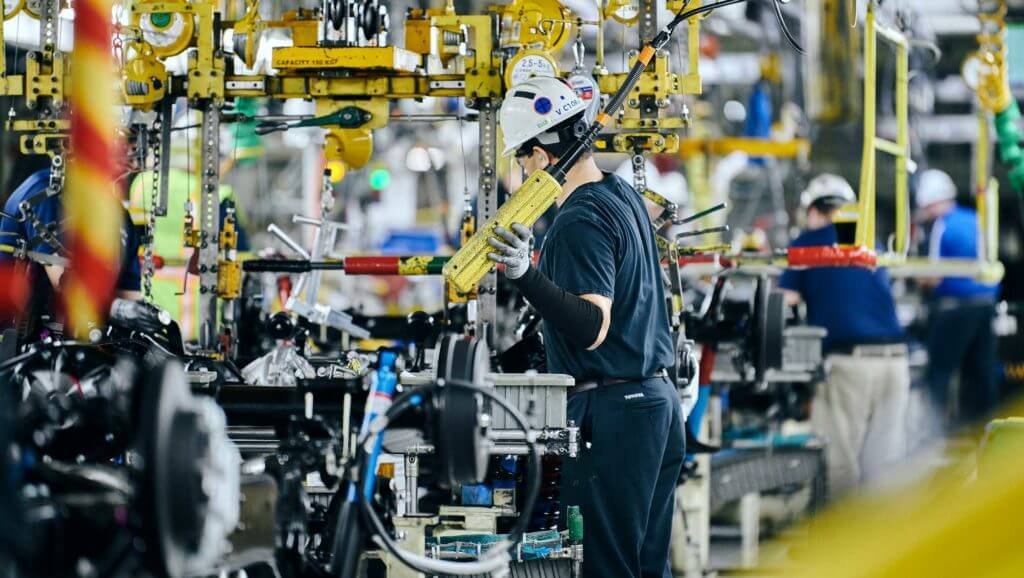
Texas has increasingly emerged as one of the most important business and industrial centers in the United States. Corporate headquarters, skilled workers, infrastructure investment, technology projects, and energy development are contributing to the state’s growing economic influence.
The shift is particularly significant as companies evaluate where to expand operations, establish headquarters, develop new facilities, and access growing markets. Texas offers a combination of business infrastructure, available land, energy resources, a large workforce, and major metropolitan areas that continue to attract investment.
For businesses and industry professionals, these trends highlight why Texas is playing an increasingly important role in the U.S. economy.
Corporate Relocations Are Reshaping the Texas Business Landscape
One of the most visible signs of Texas’s economic growth is the number of companies that have relocated headquarters or expanded major operations within the state.
Companies across industries have increasingly considered Texas for corporate expansion because of its business environment, infrastructure, workforce availability, and access to large domestic markets. Major metropolitan areas such as Dallas-Fort Worth, Houston, Austin, and San Antonio have developed into important centers for corporate activity.
The arrival of major companies can have an impact beyond the individual businesses involved. Corporate relocations can generate demand for commercial real estate, transportation, professional services, construction, logistics, technology, and other supporting industries.
This creates opportunities throughout the broader business ecosystem and can encourage additional companies and suppliers to establish operations nearby.
Business Costs Continue to Influence Corporate Decisions
Operating costs are another factor companies consider when evaluating potential locations.
Texas does not have a state individual income tax, while its major metropolitan areas offer access to extensive commercial, transportation, and workforce infrastructure. Businesses also benefit from a large internal market and connections to other parts of the United States and international trade routes.
For companies evaluating expansion opportunities, the overall cost of establishing and maintaining operations can influence decisions involving office space, industrial facilities, employee recruitment, transportation, and supply chains.
These considerations are particularly important for companies in industries where operating efficiency and access to infrastructure directly affect competitiveness.
Energy Infrastructure Is Supporting Industrial Growth
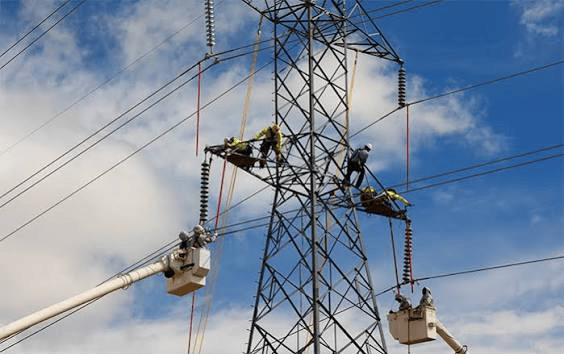
Texas’s energy sector remains one of the state’s strongest economic advantages. The state has long been a major producer of oil and natural gas while also becoming an increasingly important market for renewable energy development.
The expansion of solar generation, battery storage, natural gas infrastructure, and other energy projects is creating additional opportunities for businesses involved in engineering, construction, manufacturing, transportation, technology, and energy services.
Reliable and scalable energy infrastructure is becoming even more important as electricity demand increases across data centers, advanced manufacturing, artificial intelligence, and other technology-intensive industries.
Texas’s large geographic footprint provides opportunities for developing major energy and industrial projects while supporting the infrastructure required by expanding businesses.
Data Centers and AI Are Creating New Industrial Demand
The growth of artificial intelligence and cloud computing is adding another layer to Texas’s industrial expansion.
Data centers require substantial amounts of electricity, land, connectivity, cooling infrastructure, construction services, and specialized equipment. Texas has several characteristics that make it attractive for large-scale technology infrastructure, including available land, growing energy generation, major population centers, and extensive business infrastructure.
As demand for computing capacity increases, data center development can also generate opportunities for contractors, equipment suppliers, energy companies, logistics providers, telecommunications businesses, and other supporting industries.
The growth of these facilities demonstrates how traditional industrial strengths such as energy and infrastructure are increasingly intersecting with emerging technology sectors, particularly as AI manufacturing strengthens Texas’s technology and industrial economy.
Texas Is Building a Diverse Business Ecosystem
Although energy remains central to the state’s economy, Texas’s business landscape extends across many industries.
Technology, manufacturing, logistics, aerospace, construction, healthcare, financial services, professional services, and renewable energy are all contributing to the state’s economic development.
The diversity of these industries can strengthen regional economies by creating interconnected supply chains and business relationships. A manufacturing expansion, for example, can increase demand for logistics providers, equipment suppliers, engineering firms, commercial construction companies, and professional services.
This interconnected structure makes Texas more than a destination for individual corporate relocations. It is becoming an increasingly broad business ecosystem with opportunities across multiple sectors.
Infrastructure and Population Growth Are Supporting Expansion
Business growth is closely connected to population growth and infrastructure development.
Texas continues to invest in transportation networks, industrial facilities, energy systems, commercial developments, and other infrastructure needed to support expanding communities and businesses.
Large metropolitan areas are particularly important to this growth. Dallas-Fort Worth provides a major corporate and logistics base, Houston remains a global energy and industrial center, Austin has developed a strong technology ecosystem, and San Antonio continues to support industries including healthcare, manufacturing, aerospace, and defense.
Together, these markets provide companies with multiple options when evaluating locations for offices, manufacturing facilities, distribution centers, technology operations, and other investments.
What Texas’s Growth Means for Businesses
Texas’s expanding business environment creates opportunities for both large corporations and smaller companies.
Large businesses can benefit from access to infrastructure, workers, suppliers, transportation networks, and major commercial markets. Smaller businesses can benefit from increased demand generated by corporate expansion, construction activity, population growth, and industrial development.
Companies entering the Texas market may also find opportunities to become part of regional supply chains rather than operating independently. This can create new relationships between manufacturers, logistics providers, contractors, technology companies, professional service firms, and other businesses.
For industry leaders, monitoring these developments can help identify emerging markets and areas where future business demand may increase.
Conclusion
Texas’s rise as a major business and industrial center is being driven by several interconnected factors rather than a single advantage. Corporate relocations, energy development, infrastructure investment, technology growth, population expansion, and a diverse industrial base are collectively reshaping the state’s economic landscape.
The continued development of data centers, manufacturing facilities, energy projects, logistics networks, and corporate operations could further strengthen Texas’s position in the national business economy.
For companies and professionals looking at future growth opportunities, understanding these trends provides valuable insight into where Texas’s business and industrial markets may be heading next.
FAQs
Companies consider Texas for factors such as its large workforce, business infrastructure, access to major markets, energy resources, available land, and growing metropolitan economies. These factors can support both corporate operations and long-term expansion.
Texas has a diverse economy that includes energy, technology, manufacturing, logistics, healthcare, construction, aerospace, financial services, and renewable energy. Data centers and AI-related infrastructure are also becoming increasingly important areas of development.
Industrial and corporate expansion can increase demand for suppliers, contractors, logistics companies, professional services, technology providers, commercial real estate, and other supporting businesses. This can create opportunities throughout regional business ecosystems.