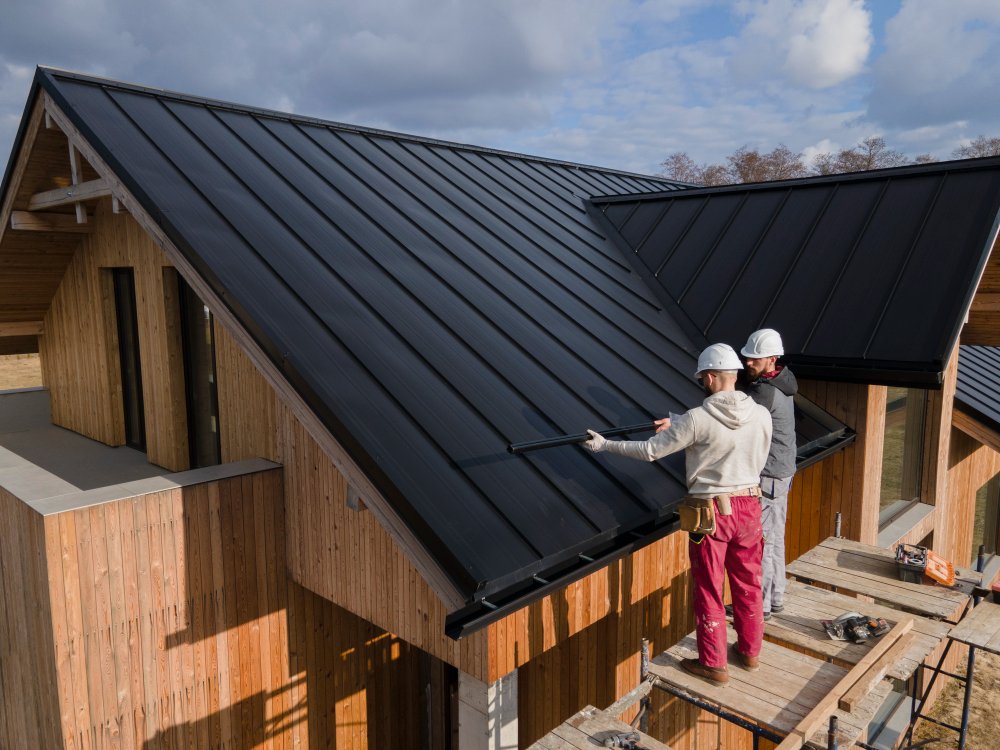
Texas homeowners know the drill: blue skies one minute, a wall of wind and hail the next. From the Gulf Coast to North Texas, severe weather is putting residential roofs through a tough test, and that is changing what homeowners expect from the roofing industry. The shift is showing up in everything from impact-resistant shingles and stronger wind ratings to better attic ventilation and closer attention to roof-to-wall connections. For Texas homeowners, the roof is increasingly being viewed not simply as another part of the house, but as a first line of defense against the state’s rough weather.
Hail and Wind Are Driving the Conversation
The numbers help explain why. The Texas Department of Insurance says insurance companies paid $8.74 billion in homeowners’ losses during 2025 across wind and hail, water, fire, theft, liability and vandalism. Wind and hail have represented an average of 62% of homeowners’ losses since 2019. Hail alone accounted for about $2.32 billion in reported homeowners’ paid losses in 2025, according to Texas Department of Insurance data. That makes roof resilience more than a buzzword. For many Texas homeowners, it is a practical response to a weather pattern that can turn a seemingly sound roof into a repair project in a matter of minutes.
Texas Has Some Serious Roofing Weather
The Texas Department of Insurance describes high winds and hail as two of the most severe weather conditions a roofing system can face. The agency recommends homeowners consider roofing products tested for appropriate wind resistance and, where appropriate, Class 4 impact-resistant products. That guidance matters because not all shingles are built the same way. A standard asphalt shingle may be perfectly suitable for many homes, but homeowners in hail-prone areas may have good reason to ask about impact ratings. Along the Gulf Coast, wind resistance and storm-related construction requirements can become even more important. In other words, there is no one-size-fits-all Texas roof. A roof that makes sense for a house in Amarillo may not be the same roof a homeowner would choose in Sugar Land, Galveston or the Houston area.
The Push Toward Impact-Resistant Materials
Impact-resistant roofing has become one of the more talked-about options in the Texas residential market. These products are designed to better withstand hail impacts than conventional materials. They generally cost more than basic roofing products, but homeowners may see the additional upfront expense as an investment in durability. There can also be an insurance angle. The Texas Department of Insurance notes that some insurers may offer discounts for roofs using materials resistant to wind, hail or fire, although homeowners should check directly with their insurer rather than assume a discount applies. That is an important distinction. A stronger roof does not automatically mean a lower insurance bill, but the material choice can become part of the broader conversation about property risk and coverage.
Heat Is Another Texas Roofing Challenge
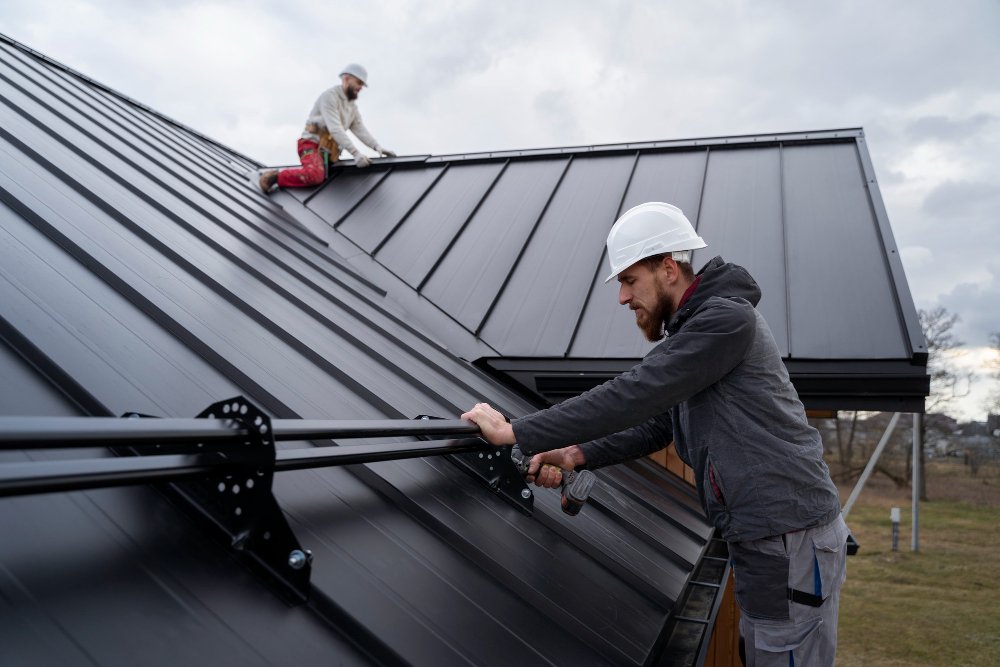
Hail gets plenty of attention, but Texas heat deserves a seat at the table. Long stretches of intense summer temperatures can put stress on roofing materials, while poor attic ventilation can trap heat beneath the roof. Over time, that combination can contribute to premature deterioration and increase the strain on a home’s cooling system. That is why experienced roofing contractors increasingly look at the entire roof system rather than focusing only on the visible shingles. Ventilation, flashing, underlayment, decking, insulation and roof-to-wall connections all have a role to play. A new roof installed over unresolved ventilation or structural problems may solve one issue while leaving another one waiting in the wings.
Coastal Texas Has Another Layer of Risk
For homeowners closer to the Gulf, wind becomes an even bigger consideration. Texas’ windstorm rules apply to designated coastal areas, and the Texas Windstorm Insurance Association provides wind and hail coverage for eligible properties in 14 coastal counties and certain areas of Harris County. That means roofing decisions in places such as Galveston, Brazoria and other coastal communities can involve considerations that do not carry the same weight farther inland. The Texas Department of Insurance also recommends paying attention to roof-to-wall connections and other structural details in high-wind areas. For homeowners building or replacing a roof in coastal Texas, resilience is therefore about more than selecting a shingle with a tough marketing label. Installation and structural connections matter just as much.
Insurance Is Changing the Roofing Conversation
Insurance is increasingly part of the roof-replacement discussion. The Texas Department of Insurance says insurers may consider the age and condition of a roof when determining coverage. Some policies provide replacement-cost coverage, while others may pay less based on the roof’s age or condition. Wind and hail deductibles can also differ from other deductibles. That puts homeowners in a position where a roof replacement can affect more than the appearance of the house. Before choosing materials, homeowners may want to find out how their insurance company treats different roof types, what deductibles apply to wind and hail damage, and whether any qualifying materials could affect premiums. A conversation with the insurer before the work begins can save plenty of head-scratching later.
The Roofing Industry Is Becoming More Specialized
For Texas roofing companies, the changing weather conversation is creating demand for more than basic installation. Homeowners are asking contractors about impact resistance, wind ratings, ventilation, warranties, insurance requirements and expected service life. That puts more emphasis on contractors being able to explain the differences between roofing systems rather than simply presenting a single quote. The Texas Department of Insurance recommends checking references when selecting a roofing contractor and notes that professional installation is important for both new and existing roofs. That advice is particularly relevant after major storms, when homeowners can suddenly find themselves fielding calls, flyers and online advertisements from roofing companies. A homeowner does not have to pick the first truck that rolls into the neighborhood. Getting multiple written estimates, checking credentials and understanding exactly what materials and installation work are included can make a big difference.
Maintenance Still Beats the Emergency Fix
Resilient roofing does not mean maintenance-free roofing. Texas homeowners still need to keep an eye out for missing or damaged shingles, loose flashing, clogged gutters and signs of water intrusion. After a major storm, a roof inspection can identify damage that is difficult to see from the ground. The Texas Department of Insurance recommends keeping roofs in good condition and checking for damaged or missing shingles after storms. That is especially important because a small roofing problem can turn into a much bigger interior repair if water finds its way into the attic or walls.
A More Resilient Roof Is Becoming a Long-Term Investment
Texas weather is not going to become gentle just because homeowners wish it would. As severe weather continues to influence property losses and insurance decisions, homeowners are paying closer attention to how their roofs perform under pressure. The result is a gradual shift toward roofing materials and installation practices designed with durability in mind. For homeowners, the smartest approach is not necessarily to buy the most expensive roof on the market. It is to choose a system that makes sense for the property’s location, weather exposure, structure and budget. For roofing companies, that creates an opportunity to move beyond simply replacing shingles and become a more important part of the home’s overall weather-resilience strategy.
In Texas, where a storm can roll across the neighborhood faster than you can say “grab the lawn chairs,” a roof built for the local weather is becoming less of a luxury and more of a long-term investment in the home.